Thailand Andaman Green Season Guide 2026
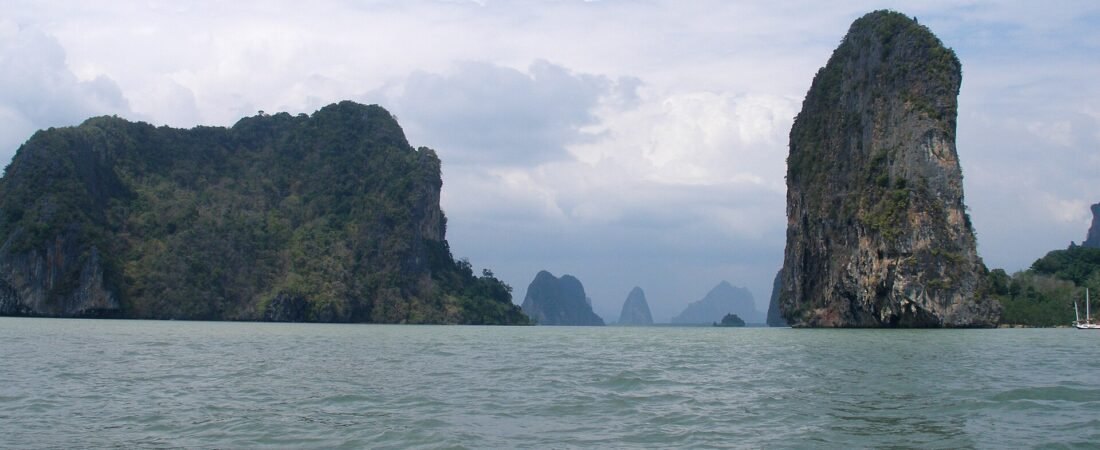
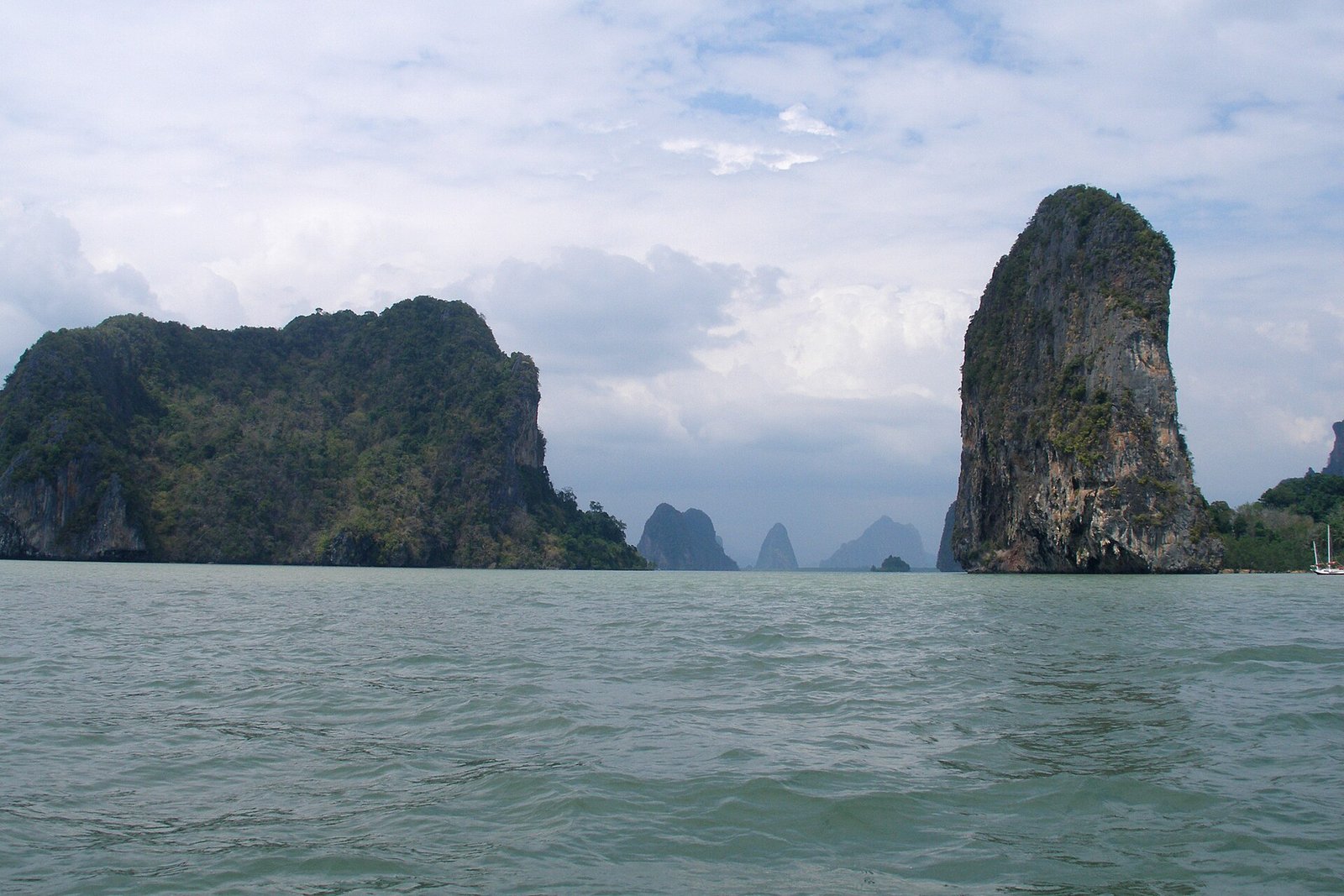
Illustrative photograph of Phang Nga Bay. Not a photograph of a specific resort.
TL;DR: From May to October the south-west monsoon brings rain, big swells and red-flag beaches to Phuket, Khao Lak, Krabi and Lanta — but also lush scenery, empty resorts and rates up to half off peak. Base yourself in sheltered Phang Nga Bay or Koh Yao Noi, book flexible rates, and swim in pools, not the open sea.
Thailand’s Andaman coast markets its rainy months as the “green season”, and the name is fair: the hills turn a vivid emerald, waterfalls run at full power, and the resorts that are packed at Christmas suddenly feel almost private. It is also the time of year when the sea can be genuinely dangerous and many boat trips simply do not run.
This guide focuses on the green season specifically for luxury travellers planning an Andaman trip between May and October — couples chasing value at five-star resorts, families tied to European or Asian summer school holidays, and repeat visitors who want to see the region without the crowds. It explains what to expect month by month, which bases stay most comfortable, and how to book smart.
For a region-wide view of where else to go, see our Southeast Asia rainy-season guide; for the opposite coast, read the Gulf of Thailand monsoon guide.
Research-based guide · Updated October 2026. Rates, schedules and policies change; confirm directly with the property or operator before booking.
What the Green Season Really Means
The Andaman coast is governed by the south-west monsoon, which typically arrives in mid-May and lasts until October. The Thai Meteorological Department publishes seasonal outlooks and marine warnings; in practice, rain usually falls in heavy bursts rather than all day, often in the afternoon or overnight, with sunny spells in between.
The bigger issue for beach travellers is the sea. Onshore winds create large waves and strong rip currents on west-facing beaches, and lifeguards fly red flags on many days. Every year there are tragic drownings of visitors who ignore them. If you remember one rule from this guide, make it this: when the red flag is up, stay out of the water.
| Month | Typical rain | Sea conditions | Overall verdict |
|---|---|---|---|
| May | Rising; first storms | Building swells late in month | Good value, often decent weather |
| June | Moderate–heavy | Rough on west coasts | Lush and quiet; pool-focused |
| July–August | Moderate, variable | Rough; frequent red flags | Busy with school holidays, still discounted |
| September | Heaviest of the year | Roughest | Lowest prices; most closures |
| October | Heavy, easing late | Improving late month | Shoulder; parks begin to reopen |
A typical green-season day
On many days the morning is bright and humid, clouds build after lunch, and a heavy downpour arrives for an hour or two in the afternoon before clearing for a hazy sunset. Other days bring long, grey stretches of drizzle, and occasionally a tropical depression delivers two or three days of persistent rain and wind. Planning outdoor activities for the morning and keeping afternoons flexible is the simplest way to make the most of the weather.
Best Sheltered Bases for Luxury Travellers
The trick to an excellent green-season trip is choosing a base that is not fully exposed to the monsoon swell. East-facing and bay-sheltered shores fare noticeably better than the long west-facing beaches.
Khao Lak and Koh Lanta are the most exposed of the major Andaman bases in the green season: their long west-facing beaches are beautiful but take the full force of the monsoon swell. They can still work for a resort-focused stay with a great pool — our Khao Lak where-to-stay guide shows which areas have the best resort facilities — but do not plan a sea-swimming holiday there in August or September.
Phang Nga Bay and Koh Yao Noi
Sheltered behind Phuket and dotted with limestone karsts, Phang Nga Bay is the green season’s best-kept secret. Seas are calmer, longtail and kayak trips often still run, and the misty karst scenery is arguably more atmospheric in the rain. Koh Yao Noi’s luxury resorts are the standout choice; see also Phang Nga Bay vs Krabi.
Phuket’s east and south coasts
Cape Panwa, Ao Por and the marina areas on Phuket’s east side are less affected by swells than Patong, Kata or Karon. They also put you close to Phuket Town’s restaurants for rainy-day dining.
Khao Sok National Park
Rain makes the rainforest come alive. Pair a beach stay with two nights at Khao Sok’s luxury lodges or Cheow Lan Lake raft houses for wildlife, waterfalls and misty mornings.
What Closes and What Still Runs
The biggest closures are marine national parks. The Similan and Surin Islands normally close from mid-May to mid-October to protect reefs and because seas are unsafe; Koh Rok near Lanta follows a similar pattern. Exact dates are published each year by the Department of National Parks.
Some smaller resorts — particularly on Koh Lanta, Koh Phi Phi’s quieter bays and remote islands — close for maintenance during the wettest months. Ferry timetables shrink, and certain island routes stop entirely until November.
- Usually still running: Phang Nga Bay longtail and kayak trips, Phuket’s cooking schools, spas and restaurants, Khao Sok tours, elephant sanctuaries and inland day trips.
- Often reduced or weather-dependent: Phi Phi speedboat tours, island-hopping ferries, dive trips to local sites.
- Usually closed: Similan and Surin trips, Koh Rok excursions, some small island resorts.
Best rainy-day luxury experiences
- Signature spa journeys: many Phuket and Khao Lak resorts offer multi-hour treatments that are ideal for a wet afternoon.
- Thai cooking classes: market tours followed by hands-on cooking are offered by several resorts and independent schools.
- Phuket Old Town: Sino-Portuguese shophouses, cafés and galleries are easy to explore between showers.
- Fine dining: green season is the easiest time to secure tables at Phuket’s most in-demand restaurants.
- Wellness retreats: structured programmes of yoga, fitness and nutrition suit the slower pace of the season.
Green Season Luxury Deals and Booking Strategy
Prices are the green season’s headline benefit. Five-star resorts often discount rooms by 30–50% compared with peak dates, and many add value instead of cutting price — free upgrades, spa credits, dining inclusions or a free night on longer stays. Pool villas that sell out months ahead at Christmas are frequently available with a few weeks’ notice.
- Book a flexible or refundable rate so you can move dates if a storm system settles in.
- Choose a room with a private pool or pool access — you will spend more time by the pool than in the sea.
- Prioritise resorts with strong indoor options: spa, gym, cooking classes, kids’ club and good restaurants.
- Keep island transfers flexible and allow a buffer day before international flights.
- Check whether your resort’s beach is lifeguarded and ask staff each morning about conditions.
| Strategy | Why it works |
|---|---|
| Book May or late October | Shoulder months combine lower rates with more sunny days |
| Stay 5+ nights in one base | Fewer weather-dependent transfers |
| Pick sheltered bays | Calmer water and more trips running |
| Add an inland stop | Rain enhances rainforest and waterfalls |
A sample 7-night green-season plan
Spend three nights at a pool-villa resort on Koh Yao Noi, using calm mornings for a longtail trip through Phang Nga Bay. Transfer by private boat and car to Khao Sok for two nights of rainforest walks, lake safaris and night sounds. Finish with two nights on Phuket’s east coast close to the airport, mixing spa time, Old Town wandering and a final dinner — and leaving a comfortable buffer before your flight home.
Practical Tips: Safety, Packing and Health
Pack a compact umbrella or light rain jacket, quick-dry clothing, sandals with grip and a dry bag for boat days. Mosquitoes are more active in wet months, so bring repellent and follow current health advice — the CDC Thailand travel page is a reliable reference for vaccinations and dengue precautions.
Travel insurance is essential: make sure it covers weather-related cancellations and missed connections. On the road, drive slowly — wet roads on Phuket’s hills are slippery, and visibility drops quickly in tropical downpours.
For month-specific detail on Phuket, see our best time to visit Phuket guide, and if your heart is set on beach swimming in July and August, consider the Gulf islands such as Koh Samui, which are typically drier at that time.
Key Takeaways
- The Andaman green season runs roughly mid-May to October, with the heaviest rain in September.
- Red flags mean no swimming — rip currents on west-facing beaches are dangerous.
- Base yourself in sheltered Phang Nga Bay, Koh Yao Noi or Phuket’s east coast.
- Similan, Surin and Koh Rok trips usually stop until mid-October.
- Expect 30–50% savings and value-adds at five-star resorts; book flexible rates.
- Choose pool villas and resorts with strong spa and dining options.
Frequently Asked Questions
Is it worth visiting Phuket and Khao Lak in the green season?
Yes, if you value lower prices, lush scenery and quiet resorts more than guaranteed beach swimming. Plan around pools, spas, food and inland trips rather than sea activities.
Which month is the worst on the Andaman coast?
September is typically the wettest and roughest month, with the most closures. May and late October are the best-value green-season months.
Can you swim in the sea during the green season?
Only when lifeguards indicate it is safe. Many west-facing beaches fly red flags due to dangerous rip currents. Sheltered bays are safer, but always check conditions.
Are the Similan Islands open in the green season?
Normally not. The Similan and Surin marine parks close from mid-May to mid-October; check the Department of National Parks for each year’s exact dates.
Where should I go in Thailand in July and August instead?
The Gulf of Thailand islands — Koh Samui, Koh Phangan and Koh Tao — are usually drier in July and August, making them a good alternative for beach-focused trips.
Do resorts close on the Andaman coast in the green season?
Most large resorts stay open, but some smaller boutique properties on Koh Lanta, Phi Phi and remote islands close for maintenance, usually between June and September.
Final Verdict
The green season is not for everyone, but for travellers who prize space, value and scenery it can be the best time to experience the Andaman coast’s finest resorts. Choose a sheltered base, respect the sea, keep plans flexible and lean into what the season does best: spa days, long lunches and dramatic, rain-washed landscapes.
If you would rather guarantee beach time, plan for November to April or switch coasts using our Gulf of Thailand guide.
About the Author
This guide was researched by the LuxStay editorial team — curating luxury island and Southeast Asia stays, updated regularly with on-the-ground verification.
Hero image: Vyacheslav Argenberg via Wikimedia Commons (CC BY 4.0). Illustrative scenery only.