Vietnam North vs South 2026: Which Half of Vietnam is Better for Luxury Travel?
Vietnam is 1,650km long — north and south are different countries in atmosphere, cuisine, and climate. Here's how to choose between Hanoi, Ha Long Bay and Phu Quoc, Ho Chi Minh City for your 2026 luxury trip.
Vietnam is one of Southeast Asia’s most rewarding luxury destinations — but it is also one of the most misunderstood in terms of what “Vietnam” actually means. The country is 1,650km long; the distance from Hanoi to Ho Chi Minh City is approximately the same as London to Rome. The culture, cuisine, climate, landscape, and atmosphere of the north, centre, and south differ so significantly that a traveller who visits only one region has seen a fraction of the country.
This guide helps luxury travellers choose which part of Vietnam to visit — and when — based on what they actually want from the trip.
The Three Vietnams
North Vietnam (Hanoi, Ha Long Bay, Sapa): The cultural heartland — the capital, the ancient Vietnamese imperial civilisation, and the dramatic highland and seascape landscapes. Cooler climate (18–28°C in the best season), more reserved character, more complex culinary tradition.
Central Vietnam (Da Nang, Hội An, Hue): The heritage corridor — the former imperial capital at Hue, the UNESCO trading port at Hội An, and the modern beach resort zone of Da Nang. The culinary tradition of central Vietnam (cao lầu, bánh mì, mì Quảng) is the country’s most distinctive.
South Vietnam (Ho Chi Minh City, Mekong Delta, Phu Quoc): The economic engine and tropical beach destination. Ho Chi Minh City’s pace and energy are Southeast Asia’s most intense; Phu Quoc’s beaches are among Vietnam’s finest; the Mekong Delta’s river culture is a world unto itself.
Climate: The Critical Variable
| Region | Best Season | Wet Season | Notes |
|---|---|---|---|
| Hanoi / North | Oct–Apr | May–Sep | Winter (Dec–Jan) can be cool and misty (15–20°C) |
| Ha Long Bay | Oct–Apr | May–Sep | Best light and visibility Oct–Nov, Feb–Mar |
| Hội An / Da Nang | Feb–Aug | Sep–Nov | Typhoon risk Sep–Nov on central coast |
| HCMC / South | Dec–Apr | May–Nov | Year-round accessible; dry season clearest |
| Phu Quoc | Nov–Apr | May–Oct | Dry season brings calm seas and best beach |
Key insight: If you’re travelling November–April, all of Vietnam is accessible but Phu Quoc and Da Nang are at their best. If you’re travelling May–October, north and central Vietnam require weather tolerance; the south (HCMC) is wet but functional; Ha Long Bay becomes hazy and less appealing.
North Vietnam: Culture and Landscape
What North Vietnam Does Best
Hanoi: Vietnam’s most atmospheric city — French colonial architecture, Hoan Kiem Lake, the 36 Guild Streets of the Old Quarter, and a food culture (pho, bun cha, banh cuon) that is the country’s most celebrated. The Sofitel Metropole (1901) and the new Capella Hanoi deliver luxury accommodation with genuine cultural positioning. Hanoi’s best restaurants — Chune, Anan, the Metropole’s Le Beaulieu — are as accomplished as anything in HCMC.
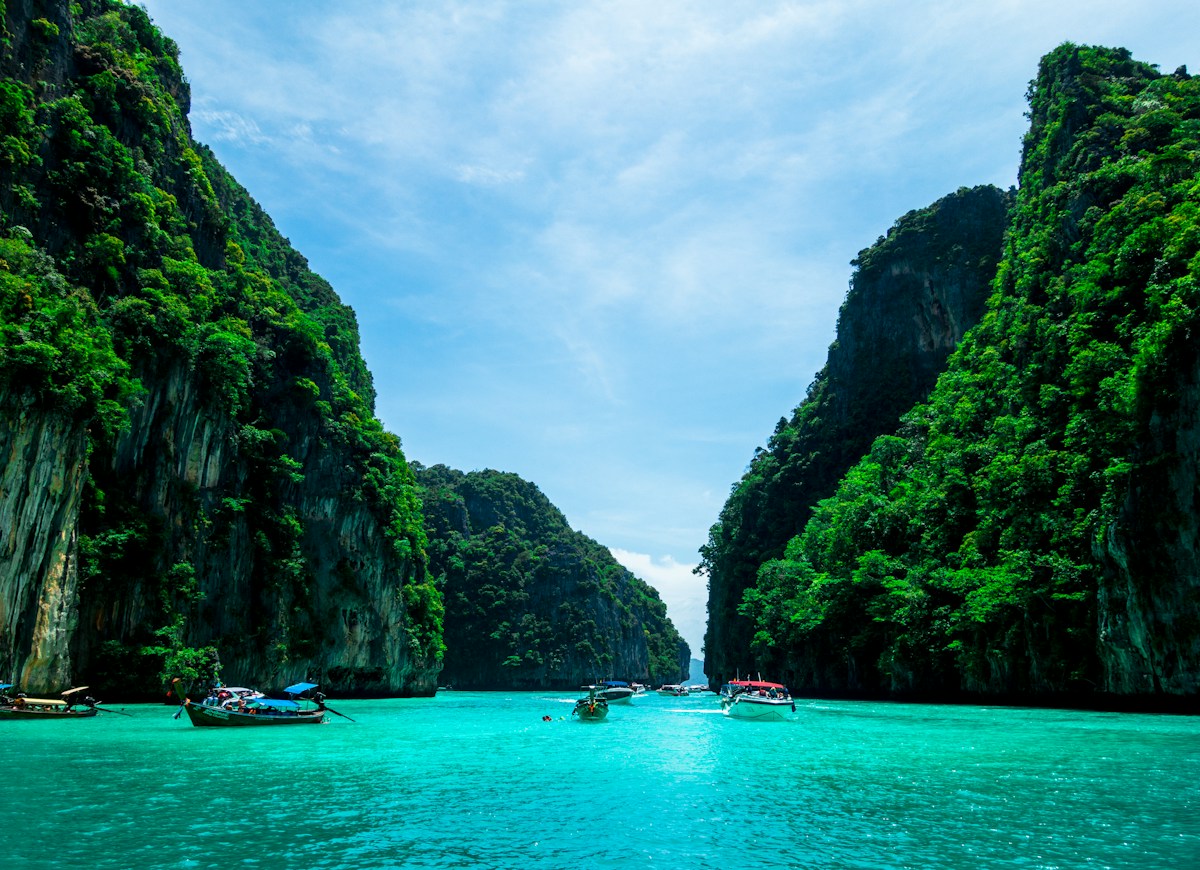
Ha Long Bay: 1,969 limestone karst islands in the Gulf of Tonkin — a UNESCO World Heritage landscape of extraordinary visual drama. The best experience is a 2-night luxury cruise (Indochine Cruise, Paradise Elegance, Era Cruises in Lan Ha Bay) — watching sunrise over the karst from the cruise observation deck is one of Southeast Asia’s most compelling experiences.
Sapa: Vietnam’s highland trekking zone — terraced rice fields climbing to 3,000m, ethnic minority hill tribe villages (H’mong, Dao), and the snow-dusted summit of Fansipan (3,143m, Vietnam’s highest peak) accessible by cable car. Topas Ecolodge (hilltop eco-lodge with valley panorama) and Hotel de la Coupole MGallery in Sapa town are the luxury anchors.
North Vietnam's Limitations
Weather window: October–April only for optimal conditions. December–January can be genuinely cold at Sapa altitude; Ha Long Bay in July–August is hazy and hot.
Cultural complexity: The north’s cultural richness is real but requires engagement — Hanoi rewards curiosity more than Phu Quoc rewards passive beach relaxation. For travellers who want to be entertained by the destination rather than discover it, the north can feel demanding.
South Vietnam: Energy and Beach
What South Vietnam Does Best
Ho Chi Minh City: Southeast Asia’s most energetic city — a pace of commercial activity, culinary scene, and cultural complexity that rewards immersive engagement. The Park Hyatt Saigon, The Reverie, and Capella Saigon provide luxury accommodation with genuinely excellent food programming. The street food circuit (District 1 to Cholon/Chinatown) is as rewarding as any in Asia.
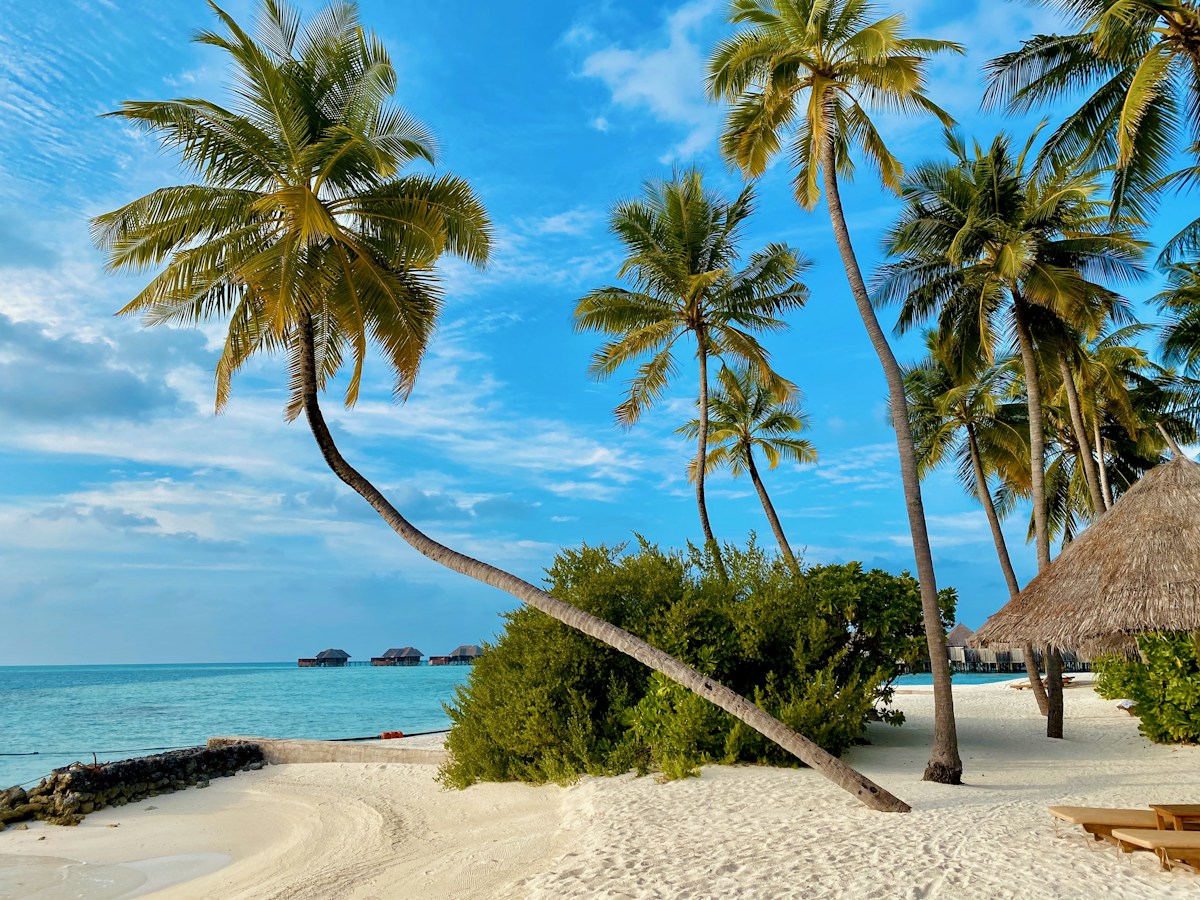
Phu Quoc: Vietnam’s finest beach destination — white sand beaches, calm turquoise Gulf of Thailand water, and a rapidly developing luxury hotel infrastructure (JW Marriott, InterContinental, Premier Village, Fusion Resort). The dry season (November–April) delivers Maldives-quality conditions at a fraction of the Maldives’ price. The local specialties — Phu Quoc fish sauce, Phu Quoc pepper, fresh Gulf seafood — add culinary interest to the beach experience.
Mekong Delta day trips: From HCMC, the Mekong Delta (2 hours by car) provides one of Vietnam’s most distinctive experiences — floating markets, canal network sampan tours, coconut candy production, and the world’s most productive river delta agriculture in full operation. The Can Tho floating market (Cai Rang, 3.5 hours) is the most spectacular.
South Vietnam's Limitations
Cultural depth (relative to north): HCMC’s colonial history is shorter than Hanoi’s; the cultural heritage (Reunification Hall, War Remnants Museum, Ben Thanh Market) is significant but less layered than the north’s ancient Vietnamese imperial civilisation. The south is defined more by its economic energy than its historical heritage.
Phu Quoc over-development: The pace of Phu Quoc’s resort construction (2015–2026) has been extraordinary — the beach quality has been maintained, but the island’s character has changed fundamentally. Travellers seeking an undiscovered beach destination should note that Phu Quoc is now firmly on the mass-market circuit; the luxury hotels remain excellent but the island itself is no longer remote.
The Full Vietnam: Combining North and South
The ideal first visit to Vietnam for luxury travellers covers both — a north-to-south (or south-to-north) circuit that captures the country’s full range:
Option A: Classic Circuit (12–14 nights)
- Hanoi (2 nights) + Ha Long Bay cruise (2 nights) → Da Nang/Hội An (3 nights) → HCMC (2 nights) → Phu Quoc (3–4 nights)
- Domestic flights connect all segments (1–2 hours each)
- Best November–April
Option B: Cultural Depth (10 nights)
- Hanoi (3 nights) + Ha Long Bay (2 nights) + Sapa (3 nights) + Hanoi return → fly out
- Best October–December (Sapa pre-winter, Ha Long Bay clear)
Option C: Beach Focus (8 nights)
- HCMC (2 nights) → Phu Quoc (5 nights) → Hội An (2 nights) → fly out from Da Nang
- Best December–April
For Vietnam e-Visa: Vietnam Immigration Department
For Vietnam Tourism information: Vietnam National Tourism Administration
Where to Stay: Quick Reference
| Destination | Top Luxury Property | Rate range |
|---|---|---|
| Hanoi | Sofitel Legend Metropole | USD 280–2,500/night |
| Ha Long Bay | Indochine Cruise (2-night) | USD 450–900/person/night |
| Da Nang | InterContinental Sun Peninsula | USD 500–2,500/night |
| Hội An | Four Seasons Nam Hai | USD 650–3,500/night |
| Ho Chi Minh City | Park Hyatt Saigon | USD 300–2,500/night |
| Phu Quoc | JW Marriott Phu Quoc | USD 350–2,500/night |
Explore our guides to Hanoi luxury hotels, Ho Chi Minh City luxury hotels, Da Nang & Hội An resorts, and Phu Quoc luxury resorts for the complete Vietnam luxury picture.
Filed under: