Singapore as Your Gateway to Southeast Asia: The Perfect First Stop
Why smart travellers start their Southeast Asia journey in Singapore — and how to use it as a launchpad to Bali, Phuket, Langkawi, and beyond.
Singapore is not just a destination — it is the single best entry point for a Southeast Asia luxury trip. World-class airport, no jet-lag adjustment required for long-haul flights, flawless infrastructure, and short hops to a dozen spectacular island destinations. Here is how to use it properly.
Why Singapore Works as a SEA Base
Most European and American travellers land in Singapore via Changi Airport, consistently rated the world’s best. Unlike landing in Bangkok or Bali, arriving in Singapore means zero culture shock, English everywhere, first-world medical facilities, and a city that rewards a two-to-three-night stay before you head to the islands.
Practical advantages:
- Direct flights from London, Paris, Amsterdam, Frankfurt, New York, and Los Angeles
- No visa required for EU and US passport holders (30-day entry)
- Changi Airport has showers, pools, rooftop gardens, and 24-hour dining — the layover itself is a luxury experience
- Time zone (GMT+8) means you can decompress for two nights and wake up adjusted before heading to your island
Two Nights in Singapore: What to Do
Do not skip Singapore. Two nights gives you time to eat properly and see the city’s best.
Day 1 — Marina Bay and the Colonial Quarter
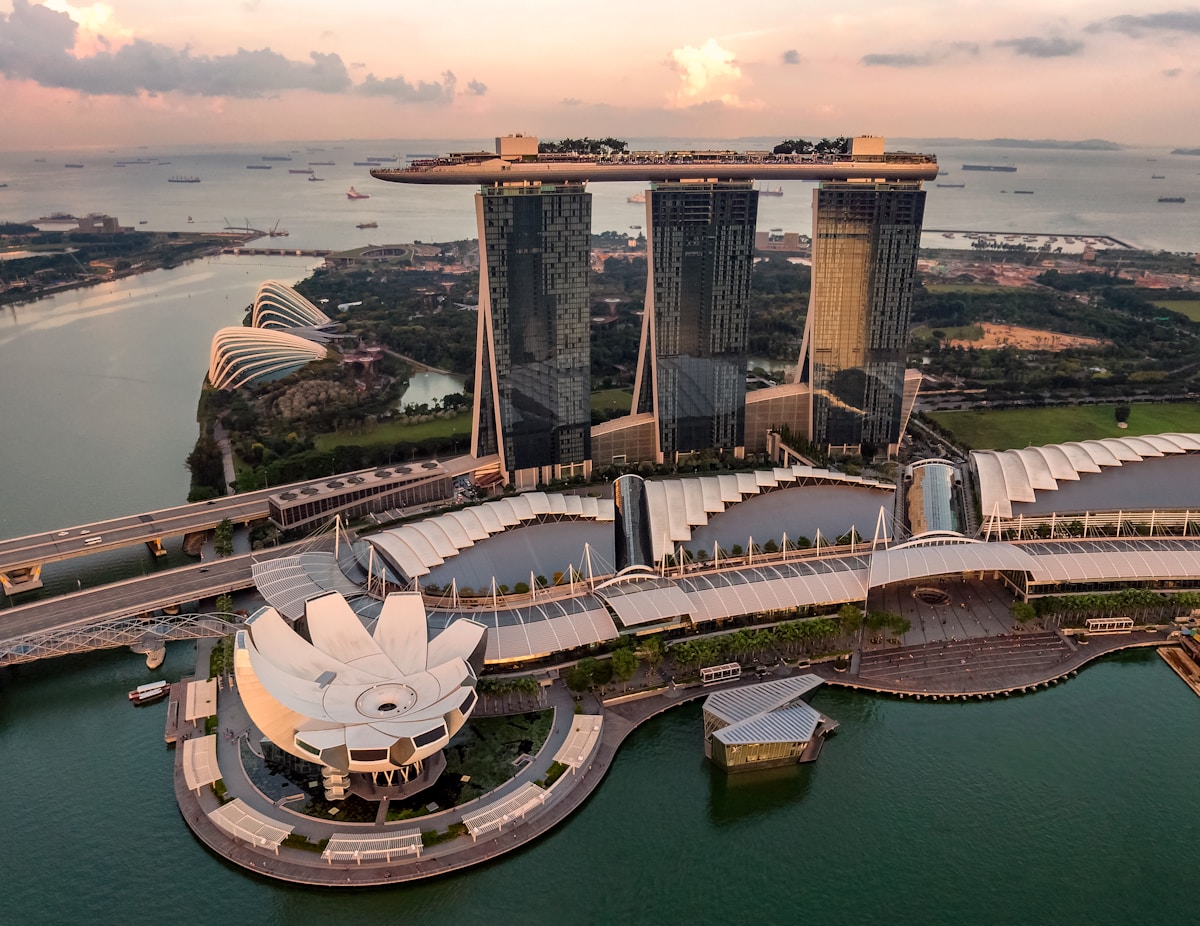
Check into your hotel near Marina Bay — the Marina Bay Sands is the obvious choice (infinity pool at 57 floors, casino, attached mall) but the Capella Singapore on Sentosa Island offers more privacy. The Fullerton Hotel occupies a restored colonial building at the mouth of the Singapore River — exceptional location.
Have dinner at Lau Pa Sat hawker centre (iconic, open-air, excellent char kway teow) then drinks at 1-Altitude or Ce La Vi rooftop bar above Marina Bay Sands.
Day 2 — Gardens by the Bay and Botanic Gardens
Morning at Gardens by the Bay (Cloud Forest dome is unmissable). Lunch in the East Coast area — seafood chilli crab at No Signboard Seafood or Long Beach. Afternoon at Singapore Botanic Gardens (UNESCO World Heritage Site, serene, free entry). Dinner in Chinatown or Little India for hawker stalls that cost S$6–12 per dish.
Best Onward Routes from Singapore
Route 1: Singapore → Bali (3–4 nights)
Flight time: 2.5 hours. Direct flights daily with Singapore Airlines, Garuda Indonesia, and Scoot.
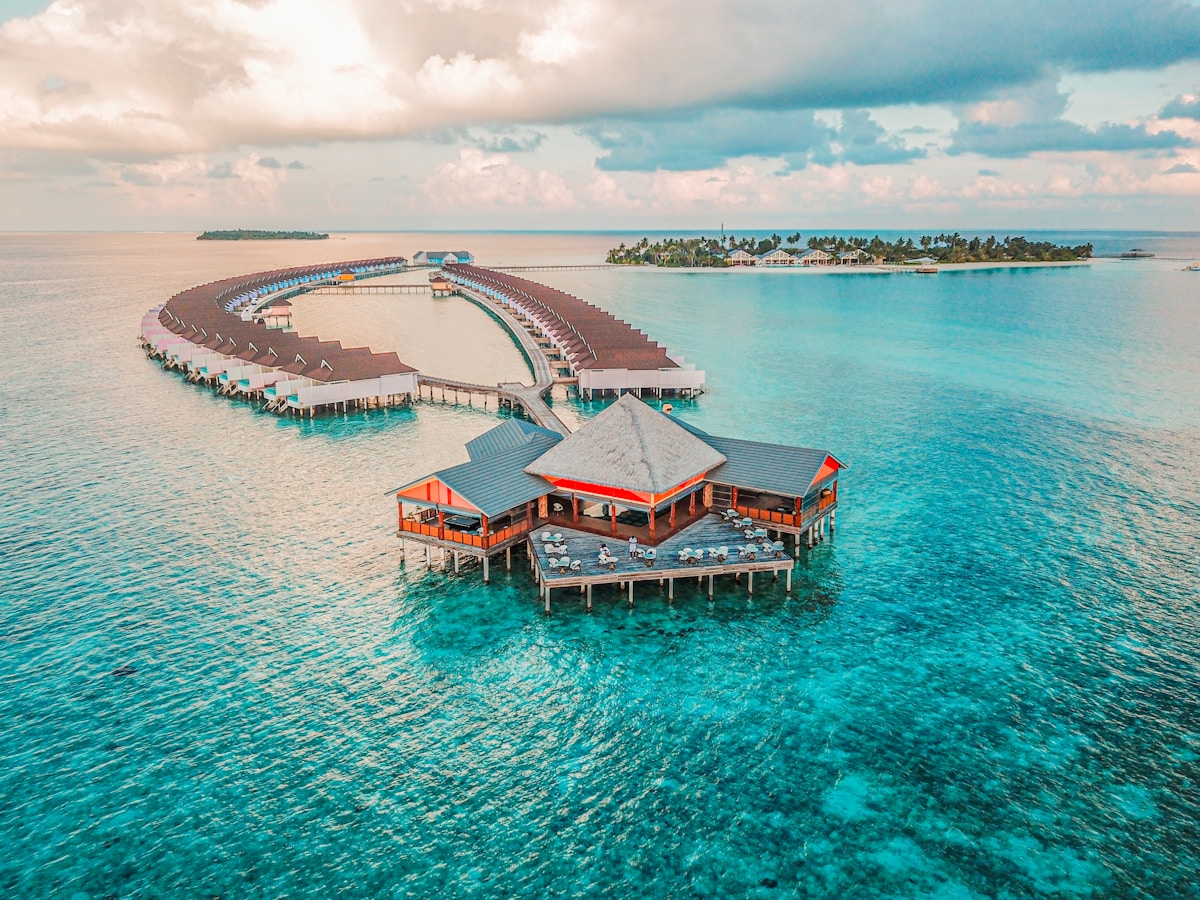
Bali is the easiest combination with Singapore. Stay in Seminyak for beach clubs and nightlife, Ubud for rice terraces and spa culture, or Nusa Dua for pure resort luxury. Best months: April–October (dry season). Avoid January–March if you want reliable beach weather.
Top properties: Four Seasons Bali at Sayan (Ubud), Potato Head Suites (Seminyak), COMO Uma Canggu (beachfront).
Route 2: Singapore → Langkawi, Malaysia (2–3 nights)
Flight time: 1 hour. A hidden gem compared to Phuket — fewer crowds, duty-free shopping, and spectacular mangrove rainforest. Langkawi is duty-free, meaning alcohol and electronics are significantly cheaper than mainland Malaysia or Singapore.
Best for: couples wanting seclusion, nature lovers. Top property: The Datai Langkawi — one of Asia’s finest rainforest resorts, with private beach and resident naturalist.
Best months: November–April (dry season on the Andaman coast).
Route 3: Singapore → Phuket (3–4 nights)
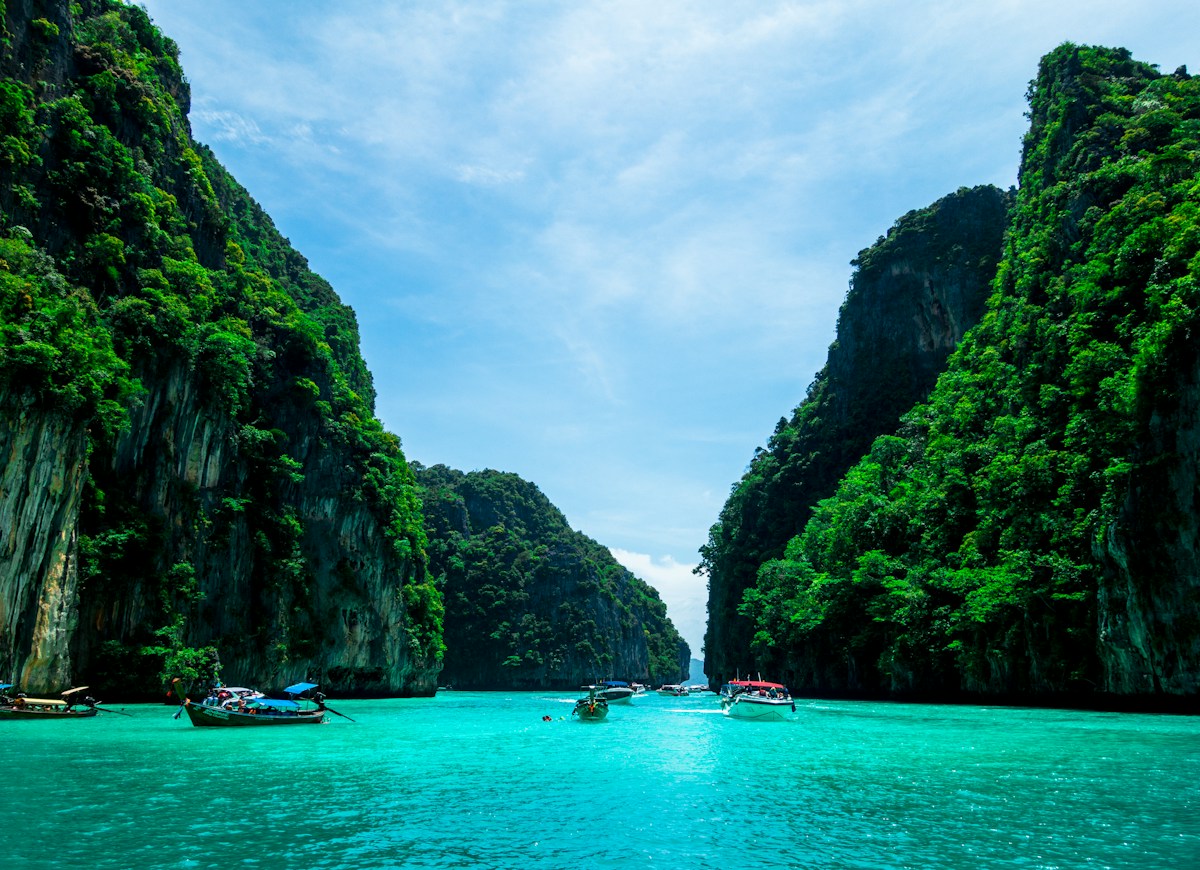
Flight time: 1.5 hours. Multiple daily flights. Phuket gives you the Andaman Sea, world-class diving, and the widest range of luxury resort options in Thailand.
Stay in Surin Beach or Bang Tao for the luxury villa end of the market. Kata Noi for a quieter beach. Trisara, Amanpuri, and Sri Panwa are the benchmark properties.
Best months: November–April (dry season).
Route 4: Singapore → Koh Samui (3–4 nights)
Flight time: 1.5 hours via Bangkok, or direct with Silk Air. Koh Samui sits in the Gulf of Thailand with a different weather pattern to Phuket — best November–February, with October and March also reliable.
Stay at Samahita Retreat for wellness, Six Senses Samui for clifftop luxury, or Anantara Bophut for beachfront family comfort.
The Ideal 10-Night Singapore + Islands Itinerary
| Nights | Destination | Why |
|---|---|---|
| 2 | Singapore | Arrive refreshed, eat well, adjust |
| 3–4 | Bali (Ubud + Seminyak) | Culture and beach |
| 3–4 | Langkawi or Phuket | Pure island luxury |
This structure suits November–April travel perfectly. Book Singapore hotels first (high demand year-round), then island hotels.
Practical Tips for Western Travellers
Currency: Singapore Dollar (SGD). Cards accepted everywhere. ATMs at Changi if needed.
Getting around Singapore: MRT (metro) is excellent. Grab (regional Uber equivalent) is cheap and reliable. No need to rent a car.
Weather: Singapore is equatorial — 28–32°C year-round with occasional afternoon thunderstorms. No seasonal variation.
Health: No vaccinations required (check current guidelines). Water is safe to drink.
Budget: Singapore is expensive by SEA standards. Hawker centre meals S$6–15. Mid-range restaurant mains S$25–45. Luxury hotel rooms S$400–800/night.
Sim card: Buy at Changi arrivals — Singtel and StarHub both offer tourist SIMs with data from S$15 for 7 days.
Frequently Asked Questions
Is Singapore worth visiting just as a stopover?
Absolutely. Even 48 hours gives you time to eat at hawker centres, see Gardens by the Bay, and experience a city that does luxury service better than almost anywhere on earth. Most travellers who “just stop” end up wishing they’d stayed longer.
How far in advance should I book Singapore hotels?
For peak periods (school holidays, Chinese New Year, Formula 1 Grand Prix in September), book 3–4 months ahead. Marina Bay Sands and Capella sell out months in advance. For other periods, 4–6 weeks is fine.
Which airline is best for Singapore from Europe?
Singapore Airlines is consistently rated the world’s best airline and flies direct from London, Amsterdam, Paris, Frankfurt, Zurich, and other European hubs. Business class on the A380 is exceptional.
Filed under: