Raja Ampat Diving Guide 2026: The World's Best Dive Destination
Raja Ampat in West Papua has the highest marine biodiversity on Earth — 75% of all known coral species and 1,500+ fish species. Here's the complete luxury liveaboard and resort guide for 2026.
Raja Ampat: The Pinnacle of Dive Travel
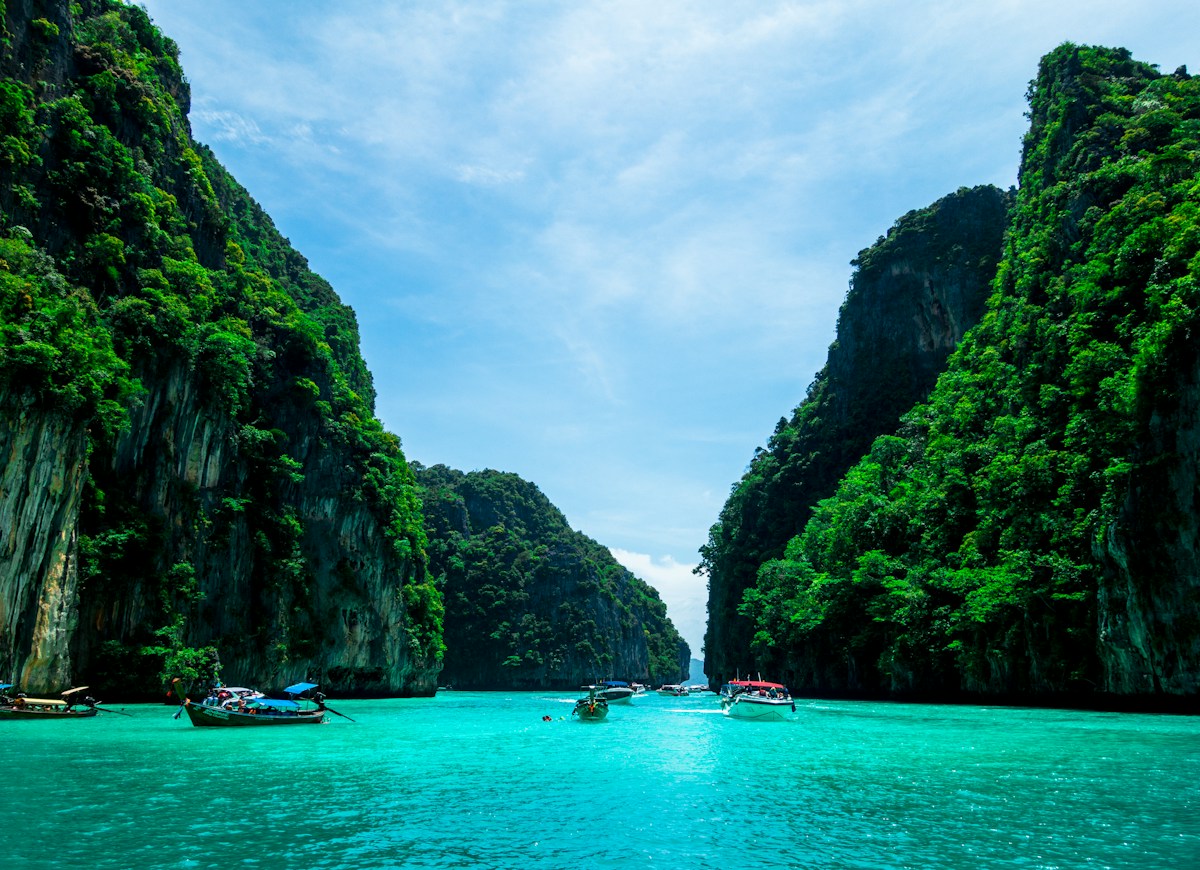
Raja Ampat — “Four Kings” in Indonesian — is an archipelago of over 1,500 islands off the northwest tip of West Papua. It has been described by marine biologists as the global epicentre of marine biodiversity: 75% of all known coral species exist here, along with 1,500+ fish species and an oceanic environment so pristine that it functions as a reference ecosystem — what the world’s reefs looked like before human impact.
For serious divers, Raja Ampat is not merely a destination; it is the destination. The visibility, the density of marine life, the presence of species found nowhere else on Earth (the walking wobbegong shark, the Papuan epaulette shark), and the extraordinary topography of its walls, channels, and seamounts make it an experience unlike any other diving on the planet.
For luxury travellers who dive, 2026 presents the best access the archipelago has ever had — improved domestic flight connections, a growing liveaboard fleet with world-class amenities, and several high-quality eco-resort properties on private islands.
Understanding Raja Ampat's Geography
Raja Ampat covers approximately 46,000 square kilometres of ocean centred on the four main islands: Waigeo (north), Batanta (south), Salawati (southwest), and Misool (far south). The diving is divided into several distinct zones:
North Raja Ampat (around Sorong and Mansuar): Most accessible from the gateway city of Sorong; includes the famous dive sites of Manta Sandy, Blue Magic, and Cape Kri. Best for manta rays and dense fish aggregations.
Central Raja Ampat (Dampier Strait area): The heart of the archipelago; includes Fam Islands, Penemu Island (home of the famous Piaynemo viewpoint), and Arborek reef. The most biodiverse zone.
South Raja Ampat / Misool: Remote, pristine, and extraordinary — the most untouched reef systems in the archipelago. Accessible primarily by liveaboard from Sorong (12–18 hour journey) or by charter flight. The marine life here includes epic schools of fish (bumphead parrotfish, Napoleon wrasse), pygmy seahorses, and rare macro species.
Best Dive Sites in Raja Ampat
Manta Sandy (North)
The most reliable manta ray cleaning station in Raja Ampat — a sloping sandy bottom where reef mantas (and occasionally oceanic mantas) visit resident cleaner wrasse. 6–30 mantas common; 100+ aggregations documented. Best at incoming tide. Depth: 8–18m; suitable for all levels.
Cape Kri (North)
Holds the world record for fish species counted on a single dive (374 species in one hour). A current-swept cape with extraordinary topography — schooling barracuda, jacks, and fusiliers in vast numbers; dense coral coverage on the walls. Intermediate to advanced due to currents.
Blue Magic (North)
A seamount rising to 12m that aggregates pelagic species — thresher sharks (rare), wobbegong sharks, schooling hammerheads in season, and extraordinary fish life. One of the most exhilarating dives in the archipelago.
The Passage (Waigeo / Gam Island)
A narrow channel between two islands with current-accelerated diving through mangroves and over coral boulders. Famous for its extraordinary density of soft corals and the unique species that inhabit the mangrove root systems — including the Papuan epaulette shark (the world’s only shark that walks using its pectoral fins). Unique to Raja Ampat.
Misool (South)
The remote south is a different experience entirely — vast schools of bumphead parrotfish numbering in the hundreds, walls covered in sea fans and black coral to extraordinary depths, and the extraordinary biodiversity of an effectively pristine reef ecosystem. Visibility typically 30–40m.
For marine biodiversity data and conservation context: Coral Triangle Initiative | Conservation International Raja Ampat
Getting to Raja Ampat
The Gateway: Sorong
All routes to Raja Ampat pass through Sorong — the largest city in West Papua, connected by domestic flights from:
- Jakarta (CGK): Multiple daily flights on Garuda Indonesia, Lion Air, Batik Air (4–5 hours; from $80 one-way)
- Makassar (UPG): Daily flights (3 hours; from $50)
- Manado (MDC): Several weekly flights (1.5 hours; from $60)
- Bali (DPS): Via Jakarta or Makassar; total journey typically 8–12 hours
From Sorong to the dive sites: speedboat (1–4 hours depending on destination) or liveaboard departure directly from Sorong port.
Raja Ampat Entry Fee
All divers must pay the Raja Ampat marine park entry fee: IDR 1,000,000 ($62 USD) per person for international visitors; valid for 12 months. This fee directly funds the Coral Reef Rehabilitation and Management Program (COREMAP-CTI) and pays for ranger patrols that protect the reefs from illegal fishing.
For current entry fee status: Raja Ampat Regency Tourism Office
Liveaboard Diving in Raja Ampat
Why Liveaboard Is the Premier Experience
A liveaboard (live-aboard diving vessel) is the optimal way to experience Raja Ampat — particularly for reaching the remote southern zone around Misool. By sleeping on board, you gain:
- Access to dive sites at optimal tidal times (often at dawn or dusk)
- Multiple dives per day (4–5 dives is standard on liveaboards vs 2–3 from resort)
- Reach to Misool and the furthest sites that day-boats from resorts can’t access
- Night diving from the vessel — Raja Ampat’s night diving is extraordinary
Best Luxury Liveaboards in Raja Ampat 2026
Rascal Diving Phinisi: The finest liveaboard vessel in Raja Ampat — a 37m traditional Phinisi wooden sailing vessel with 5 en-suite cabins, a dive deck with camera room, and gourmet Indonesian and Western cuisine. Max 10 guests ensures genuine luxury. 7-night and 10-night routes covering north and south Raja Ampat.
Dewi Nusantara: One of the largest and best-equipped liveaboards in Indonesia — 40m steel hull with 10 en-suite cabins, two dive decks (fore and aft), a spacious sun deck, and exceptional service. Covers both North Raja Ampat (including Misool) and Banda Sea extensions.
Arenui: Indonesian luxury liveaboard with 8 en-suite cabins across three levels; known for its exceptional guides (several are published marine biologists) and its camera room with 110V and 220V charging stations.
Price range: $300–700 USD per person per night (all-inclusive: accommodation, all dives, all meals, soft drinks, equipment use); 7-night minimum recommended.
Best Eco-Resorts in Raja Ampat
Papua Paradise Eco Resort — Best Overall
Papua Paradise occupies a private island in the Fam Islands group — one of the most scenic locations in all of Raja Ampat. The 16 traditional Papuan bungalows on stilts over turquoise water have direct lagoon access, and the resort’s house reef (accessible from the bungalow steps) is one of the finest in the archipelago.
Highlights:
- 16 overwater bungalows — all with direct lagoon access
- House reef: wobbegong sharks, pygmy seahorses, and extraordinary nudibranch diversity directly below the bungalows
- Dive centre: 3 daily boat dives to all major north Raja Ampat sites
- The Piaynemo viewpoint: the resort arranges early morning visits for sunrise photography
Price: From $350/person/night (all-inclusive: accommodation, 3 boat dives, all meals)
Misool Eco Resort — Most Remote Luxury
Misool Eco Resort is in the southern archipelago — 12 hours by speedboat from Sorong, or accessible by charter flight to a nearby airstrip. The resort occupies a private island protected by a 300,000-hectare no-take marine sanctuary established and funded by the resort. The diving here is effectively virgin — the no-take zone means marine life has recovered to extraordinary levels.
Highlights:
- 300,000-hectare private no-take marine sanctuary — the diving is among the most pristine in the world
- 14 overwater bungalows in traditional Papuan design; all-inclusive (accommodation, diving, meals)
- Conservation focus: every stay directly funds the anti-poaching patrol boat programme
- Access: charter flight from Sorong (40 minutes) or speedboat (12 hours); resort arranges all logistics
Price: From $550/person/night (all-inclusive)
For marine sanctuary and conservation details: Misool Foundation
Best Time to Dive Raja Ampat
October–April (dry season in the north): Best visibility and calmest conditions for north Raja Ampat. Manta ray season peaks October–January.
May–September: The winds shift; conditions can be rougher in the north but the south (Misool) is at its best. Whale sharks are more commonly sighted May–August.
Year-round diving: Unlike many tropical destinations, Raja Ampat is diveable every month of the year — the archipelago is so large that somewhere is always protected from prevailing conditions.
FAQ: Raja Ampat Diving
Is Raja Ampat suitable for beginner divers?
Some sites (Manta Sandy, The Passage, shallow reef gardens) are suitable for Open Water certified divers in good conditions. Many sites, however, require Advanced Open Water certification and experience with current diving. Raja Ampat is most rewarding for divers with 50+ logged dives and current-diving experience. For PADI certification requirements: PADI.com
How does Raja Ampat compare to the Great Barrier Reef?
In terms of coral coverage, fish species diversity, and marine megafauna density, Raja Ampat’s best sites exceed the Great Barrier Reef. Australia’s reef has suffered significant bleaching events; Raja Ampat’s deeper reefs and stronger currents have protected it from the worst temperature anomalies. Most serious divers rate Raja Ampat the superior experience.
What photography equipment should I bring?
Raja Ampat rewards wide-angle photography (manta rays, schooling fish, expansive reef scenes) and macro photography (pygmy seahorses, frogfish, nudibranchs). A dual-system setup (wide-angle dome port + macro lens) is ideal. Most liveaboards have camera rinse tanks and charging facilities. For underwater camera guidance: Underwater Photography Guide
Explore our Raja Ampat vs Komodo comparison, top diving destinations in Southeast Asia, and Bali luxury resorts for more Indonesia inspiration.
Filed under: