Plan the ultimate Indonesian island-hopping adventure — from Bali's rice terraces and Gili Islands' coral reefs to Komodo's pink beaches and ancient dragons. A practical luxury guide for Western travellers.
The world's largest archipelago has 17,000 islands — and the south of Indonesia contains some of its finest. A 14-day route connecting Bali, the Gili Islands, Lombok, and Komodo offers some of the most spectacular landscapes and marine life on the planet. Here is how to do it well.
Why This Route Works
The classic Bali-to-Komodo arc follows the Lesser Sunda Islands (Nusa Tenggara) eastward. Each island delivers something distinct: Bali for culture and wellness, Lombok for uncrowded beaches and volcano trekking, the Gili Islands for snorkelling and simplicity, and Komodo for otherworldly pink beaches and Jurassic-era wildlife.
The route works best November–April when calm Lombok Strait waters make inter-island transfers comfortable and diving visibility peaks at 20–30 metres.
Days 1–4: Bali — Cultural Anchor
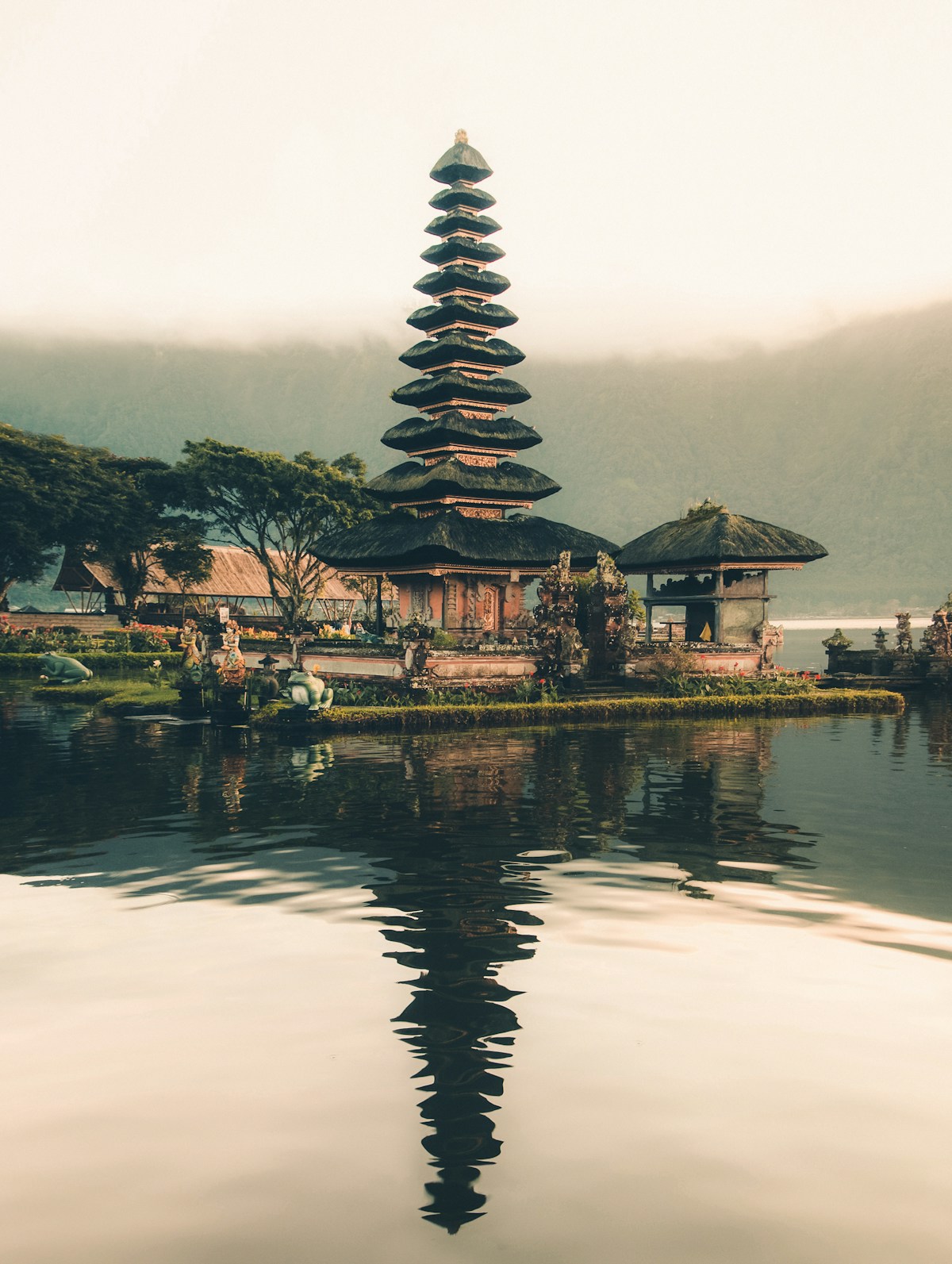
Begin in Bali. Most international flights from Europe and North America connect through Singapore, Hong Kong, or Kuala Lumpur into Ngurah Rai International Airport (DPS). Bali's geography divides naturally into three zones: the beach-club south (Seminyak, Kerobokan, Canggu), the resort enclave of Nusa Dua, and the cultural heartland of Ubud inland.
Where to stay:
- The Ritz-Carlton Bali (Nusa Dua): 700 metres of private beach, six restaurants, and a spa with Balinese-Japanese treatment menus — the definitive south Bali luxury base.
- Four Seasons Resort Bali at Sayan (Ubud): Elevated pavilions above the Ayung River gorge, surrounded by terraced rice fields. One of Southeast Asia's most photographed resort settings.
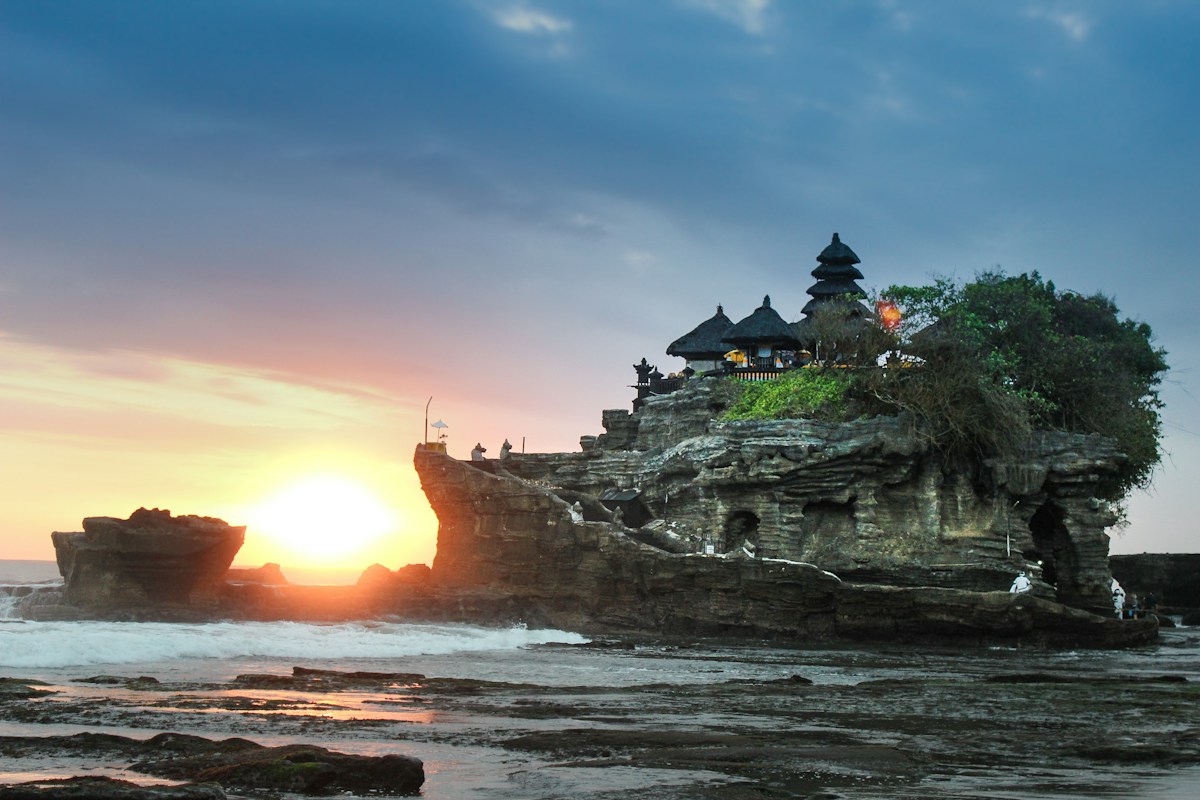
Don't miss: Sunrise at Pura Lempuyang temple — the "Gateway to Heaven" framing Mount Agung — and an evening Kecak fire dance at the Uluwatu cliff temple. The terraced rice fields at Tegallalang are best visited at 7–8am before the tour buses arrive.
Days 5–7: Gili Islands & Lombok — No Motors, Pure Ocean
A fast boat from Padang Bai (east Bali) reaches the Gili Islands in around 1.5–2 hours. The three islands — Gili Trawangan, Gili Meno, and Gili Air — are completely car- and motorbike-free. Transport is by horse cart or bicycle.
Gili Trawangan suits those wanting energy: beach clubs, a busy night market, and a concentration of dive schools that make this Southeast Asia's most popular destination for beginner PADI courses. Gili Meno is quieter, ideal for honeymooners — the famous underwater statue garden at 8–18 metres depth is one of the region's most photographed dive experiences.
Snorkelling: Sea turtles are practically guaranteed off Gili Meno's east coast at sites called Turtle Heaven and Bounty. They graze on seagrass directly beneath the surface — no boat required.
Lombok: Spend at least one day on Lombok's southern coast. Mawun and Selong Belanak beaches rival anything in Bali but draw a fraction of the visitors. The Oberoi Beach Resort Lombok on Medana Bay is one of the region's finest properties — oceanfront pavilions on a private crescent beach with superb snorkelling offshore.
Days 8–14: Komodo & Flores — Dragons and Pink Beaches
Fly from Lombok or Bali to Labuan Bajo, the gateway town on Flores's western tip. Komodo National Park is a UNESCO World Heritage Site protecting the last remaining population of Komodo dragons — the world's largest living lizards, capable of growing to 3 metres and 70 kilograms.
Pink Beach (Pantai Merah)
One of only seven pink-sand beaches on earth, coloured by crushed red coral fragments mixed into the white sand. Snorkelling directly offshore reveals hard coral gardens in exceptional condition — visibility routinely exceeds 15 metres.
Padar Island Viewpoint
The three-bay panorama from Padar's summit (a 30-minute hike on a steep but well-marked trail) is one of Southeast Asia's most dramatic natural viewpoints. Time a sunrise hike for the golden light on the cinnamon-brown hills and turquoise bays below. It is non-negotiable.
Diving
Komodo's dive sites rank among Southeast Asia's finest. Batu Bolong, Castle Rock, and Crystal Rock regularly deliver oceanic manta rays, reef sharks, and hawksbill turtles riding strong nutrient-rich currents. The biodiversity here is extraordinary — Komodo sits at the heart of the Coral Triangle, the world's richest marine region. Note: currents are powerful at several sites; intermediate experience is recommended.
Where to stay in Labuan Bajo:
- Sudamala Resort: Clifftop villas above Panta Bay with private plunge pools and sunset views across the Flores Sea.
- Plataran Komodo Beach Resort: Teak-and-bamboo chalets on a private beach 20 minutes by boat from the main drag — the most exclusive address in the area.
Best Time for This Route
November–April is the optimal window across all three island groups. December–February delivers the calmest seas and best diving visibility. Christmas week (20 Dec–5 Jan) commands significant price premiums at top resorts — book 4–6 months in advance.
Avoid June–September when strong southerly swells can make inter-island boat transfers rough and render several Komodo dive sites inaccessible.
Practical Logistics for Western Travellers
Getting there: Singapore Airlines, Cathay Pacific, Qatar Airways, and Turkish Airlines connect major European and American cities to Bali (DPS) via their respective hubs. London to Bali is approximately 16–18 hours flying time.
Visa: Indonesian visa on arrival is available at Ngurah Rai Airport for most Western passport holders (currently USD $35 for 30 days, extendable once for a further 30 days).
Inter-island transport: Fast boats run Bali–Gili–Lombok frequently throughout the day. For Komodo, fly from Lombok or Bali to Labuan Bajo (Flores) — Wings Air and Citilink operate this 1-hour route. Alternatively, a 3–5 night liveaboard cruise from Lombok to Komodo is one of the finest ways to experience the national park at sunrise, before day trippers arrive.
Currency: Indonesian Rupiah (IDR). Major resorts accept credit cards; carry cash for markets and smaller restaurants. ATMs are reliable in Kuta/Seminyak and Labuan Bajo.
Practical tips:
- Book dive trips well in advance for December–January peak season — boats and guides fill quickly
- Bring reef-safe sunscreen; many operators in Komodo NP require it
- Sarongs are required for temple entry in Bali — available everywhere for under USD $2
- Comprehensive travel insurance covering water sports and medical evacuation is strongly recommended
Filed under: