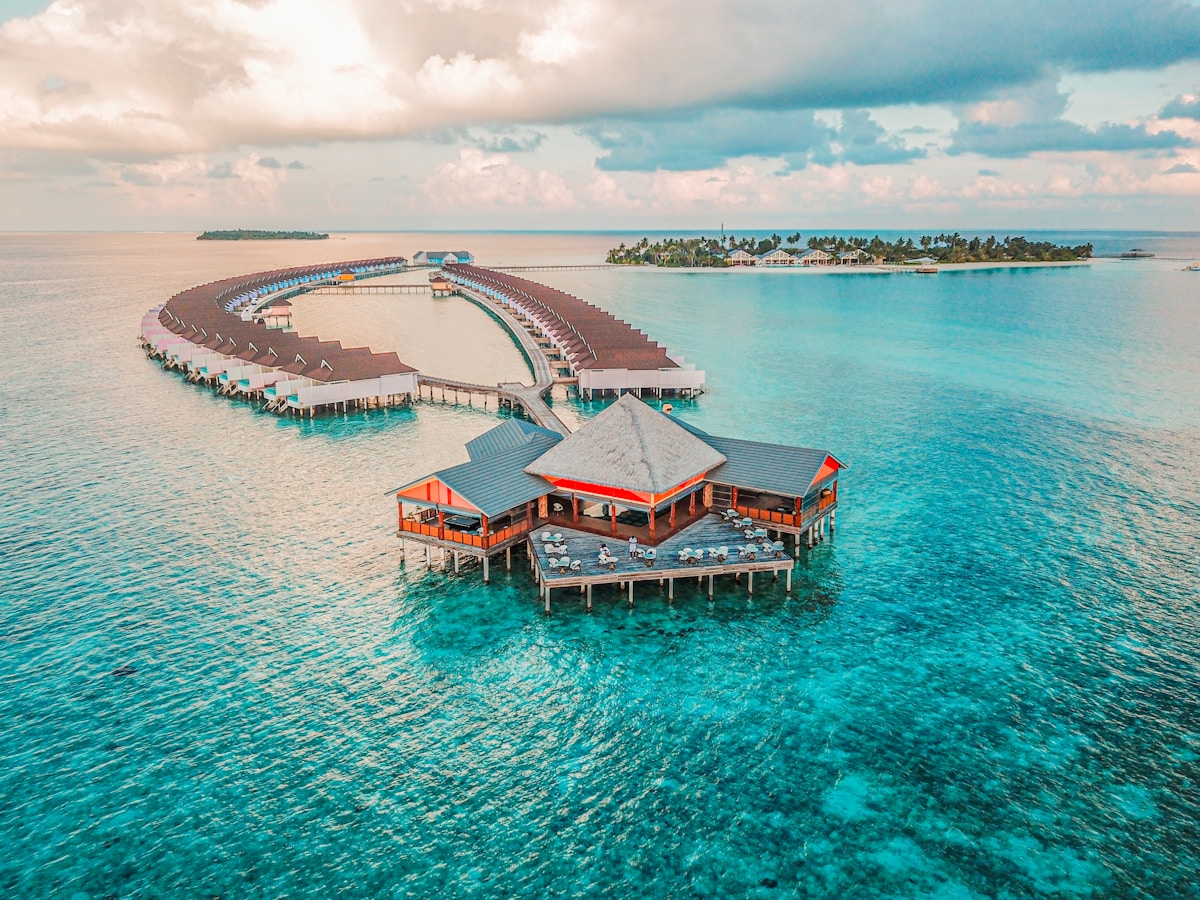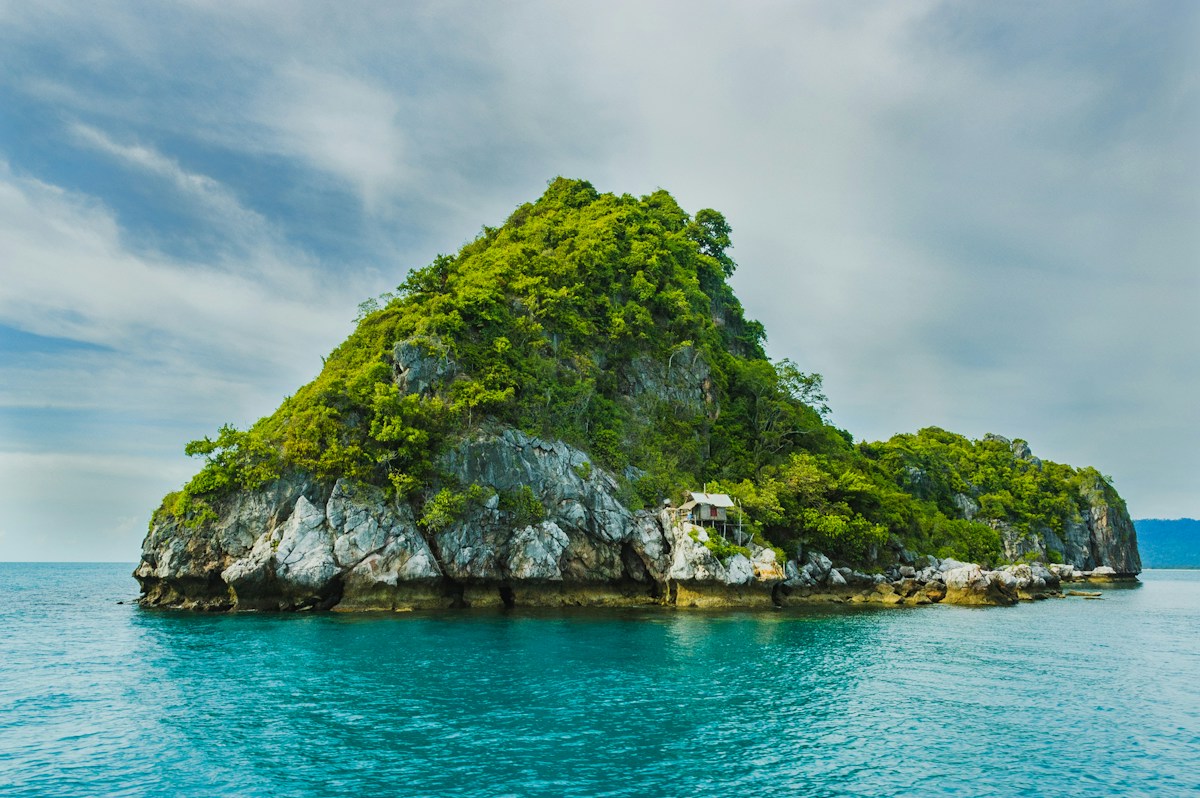
Plan your perfect Philippine escape with this month-by-month weather guide covering El Nido, Boracay, Bohol, and Coron — written for European and American winter-escape travellers.
The Philippines is one of Southeast Asia's most spectacular destinations — 7,641 islands, the world's most beautiful beaches at El Nido and Palawan, and some of the finest diving on earth. But unlike Thailand or Bali, the Philippines has more regional weather variation, and choosing the right month can make the difference between paradise and a typhoon-disrupted itinerary.
Here is exactly when to go — and where.
Understanding Philippine Seasons
The Philippines has two main seasons driven by seasonal monsoon winds:
Amihan (dry season) — November to April: The northeast trade wind brings dry, clear weather to Luzon, the Visayas, and Palawan. This is prime season for El Nido, Boracay, Bohol, Coron, and Cebu. Seas are calm, visibility is excellent, and island-hopping conditions are perfect.
Habagat (wet season) — May to October: The southwest monsoon brings heavy rain, rough seas, and typhoon risk to most of the archipelago. The Philippines sits in the western Pacific typhoon belt — peak typhoon months are July–October.
Key regional exception: East-facing coasts (Siargao, eastern Samar) experience the reverse pattern. Siargao is sheltered from Amihan but exposed to Habagat, making it best for surfers from February–October.
Month-by-Month Breakdown
November: Dry Season Returns — Best Value
Weather: 27–32°C, diminishing rain, calming seas
Crowds: Moderate (building toward Christmas)
Rates: Shoulder — 15–25% below December peak
Diving: Improving fast — 20–25m visibility
November is when the Amihan kicks in and the Philippines transforms. El Nido's choppy September seas become glassy and turquoise by mid-month. Palawan's island-hopping tours run reliably from the 15th. This is genuinely excellent value — near-peak conditions at below-peak rates. Recommended for: couples, divers, and value-conscious travellers.
December: Peak Season Begins
Weather: 27–31°C, minimal rain, calm seas
Crowds: High — very high Christmas week
Rates: Peak pricing; Christmas week premiums
Diving: Excellent
December delivers stunning conditions across the archipelago. El Nido's secret lagoons are mirror-flat; Boracay's White Beach is postcard-perfect. Christmas week (December 20–January 5) sees the year's highest rates — book flights and resorts 4–6 months ahead. Filipino Christmas culture is vibrant and worth experiencing; the decorations are up from September and the festive atmosphere is unlike anywhere else in Asia.
January–February: The Best Months Overall
Weather: 25–30°C, minimal rain, calmest seas of the year
Crowds: High
Rates: Peak
Diving: Best of the year — 25–35m visibility
January and February are the Philippines at its finest. Cool, dry Amihan winds keep temperatures comfortable — 25–27°C at night. Sea conditions across El Nido, Coron, and Palawan are their calmest. February is the single best month to visit: perfect weather, slightly fewer crowds than January, and spectacular marine life including thresher sharks at Malapascua (Cebu) and manta rays at El Nido's Lagen Island.
Best for: first-timers, divers, honeymooners, families.
March–April: Hot and Beautiful, Excellent Diving Access
Weather: 28–35°C, very little rain, calm seas
Crowds: Moderate, softening after Easter
Rates: Shoulder — easing from peak after Easter Week
Diving: Excellent — Tubbataha Reef season opens in March
March and April maintain excellent conditions, though temperatures climb significantly — April is the Philippines' hottest month (up to 35°C inland). The crowds thin after Easter (Semana Santa sees a rate spike the week before). March marks the opening of Tubbataha Reef in the Sulu Sea — UNESCO World Heritage status, accessible only by liveaboard, and one of the richest marine ecosystems on earth.
Best for: divers targeting Tubbataha; travellers seeking good weather at lower post-Easter rates.
May–October: Wet Season — Plan Carefully
Weather: 28–33°C, heavy rain, rough seas, typhoon risk
Crowds: Very low
Rates: Low — 30–50% below peak
Diving: Variable; some sites remain accessible
May–October is typhoon season. The Philippines experiences more typhoons annually than almost any other country. Island-hopping in El Nido can be cancelled for days or weeks; Boracay's White Beach faces strong Habagat winds from the southwest. Siargao is the exception — the world-class surf here peaks June–November, attracting serious surfers from around the globe.
Budget travellers comfortable with weather flexibility can find extraordinary value in this period.
Quick Reference: Where to Go and When
| Destination | Best Months | Avoid |
|---|---|---|
| El Nido, Palawan | November–May | June–October |
| Coron, Palawan | November–May | July–September |
| Boracay | November–May | June–October |
| Bohol & Cebu | November–April | July–September |
| Siargao (surfing) | February–October | November–January |
| Tubbataha Reef | March–June | Rest of year |
Practical Tips for Western Tourists
Getting there: Most Europeans and Americans fly via Manila (Ninoy Aquino International Airport) or Cebu (Mactan-Cebu). Direct connections from London, Paris, Amsterdam, and New York are available. Budget 2–3 hours transit time in Manila for domestic connections — NAIA is notorious for delays.
Domestic flights: Cebu Pacific and Philippine Airlines connect Manila to El Nido (Lio Airport), Puerto Princesa, Caticlan (Boracay), Coron, and Cebu. Book domestic legs at least 6–8 weeks ahead in peak season — seats sell out.
Visas: Most Western passport holders receive 30 days visa-free on arrival, extendable to 59 days at any Bureau of Immigration office. Extensions cost roughly $50 and take one morning to process.
English: The Philippines is the most English-friendly destination in Southeast Asia — virtually all hospitality staff, ferry operators, and locals speak excellent English. Navigation is effortless from day one.
Money: Philippine Peso (PHP — approximately ₱56 per USD, ₱63 per EUR as of 2026). ATMs are available in all major tourist hubs. Notify your bank before travel. Most luxury resorts accept Visa and Mastercard.
Health: Bring DEET-based insect repellent for evenings. Drink bottled water. Malaria risk exists in rural southern Palawan — consult a travel medicine clinic 4–6 weeks before departure.
The Bottom Line
Best single month to visit: February — perfect Amihan conditions, slightly fewer crowds than January, and outstanding diving visibility.
Best value month: November — near-peak conditions at 15–25% lower rates.
Avoid for island-hopping: July–September unless targeting Siargao surf specifically.
The Philippines rewards visitors who time their trip well with an island experience that few destinations on earth can match.
Filed under: