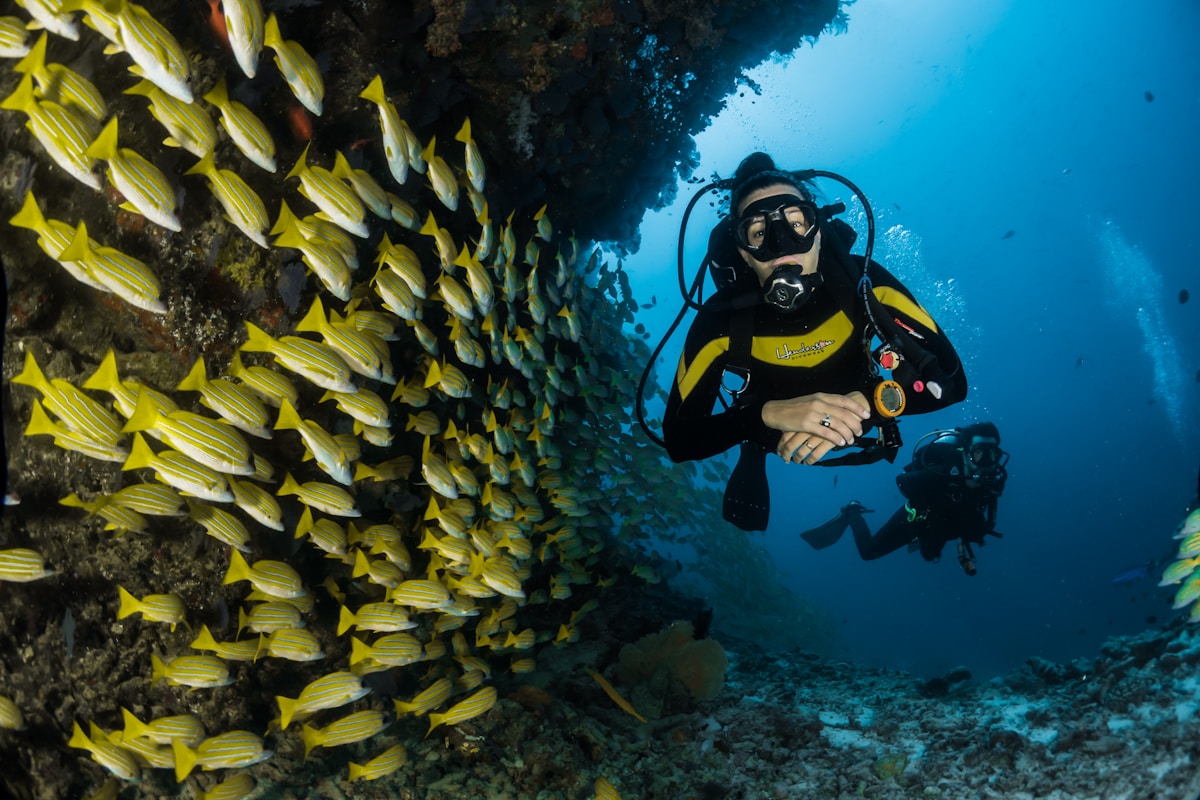
The Togean Islands are Sulawesi's hidden gem — three reef types in one location, dugong encounters, a non-stinging jellyfish lake, and almost no other tourists. Our guide covers the top dive resorts and why the Togeans reward travelers willing to make the journey to one of Indonesia's most remote archipelagos.
Togean Islands: Sulawesi's Hidden Coral Paradise
The Togean Islands are a remote archipelago in Tomini Bay, Central Sulawesi — one of Indonesia's least-visited and most biodiverse marine environments. The islands sit at the intersection of three major reef systems (fringing reefs, barrier reefs, and atoll reefs), creating extraordinary diving and snorkeling diversity in a single location. Dugongs, whale sharks, and all four species of sea turtle have been recorded here.
The Togeans are genuinely remote — the journey from Palu or Ampana takes most of a day — but the reward is an archipelago that feels entirely undiscovered. Accommodation ranges from simple guesthouses to the boutique Black Marlin Dive Resort, which offers the most comfortable base for exploring the islands.
Top Resorts in the Togean Islands
| Resort | Location | From/Night | Key Features |
|---|---|---|---|
| Black Marlin Dive Resort | Kadidiri Island | $150+ | Overwater bungalows, dive center, snorkeling, remote |
| Fadhila Cottages | Kadidiri Island | $80+ | Simple beachfront, good value, dive access |
| Togean Island Resort | Wakai | $100+ | Beachfront, basic comfort, central location |
Why the Togean Islands
Three Reef Types in One Location
The Togeans are one of the few places in the world where fringing reefs, barrier reefs, and atolls coexist in close proximity. This creates extraordinary diving variety — shallow coral gardens, deep walls, and open-water atoll dives all within a short boat ride.
Dugong Encounters
The Togeans have one of Indonesia's most reliable dugong populations — the seagrass beds around Kadidiri and Malenge islands support a resident population. Dugong sightings are not guaranteed but are more frequent here than almost anywhere else in Southeast Asia.
Jellyfish Lake
Kakus Island has a landlocked lake containing millions of non-stinging jellyfish — a phenomenon similar to Palau's famous Jellyfish Lake. Swimming through the jellyfish is a surreal and entirely harmless experience.
Genuine Remoteness
The Togeans receive a fraction of the visitors of Bunaken or Raja Ampat. The journey (Palu or Ampana → ferry → islands) takes 6–12 hours depending on the route, which keeps casual tourists away. The reward is an archipelago that feels genuinely undiscovered.
Getting to the Togean Islands
- From Ampana: 4–6 hour ferry to Wakai (the main hub). Ampana is 5 hours by road from Palu, which has flights from Makassar and Jakarta.
- From Gorontalo: Overnight ferry to Wakai (12 hours). Gorontalo has flights from Makassar.
- From Manado: Fly to Gorontalo (1 hour) then overnight ferry — total 14–16 hours.
Best Time to Visit
- April–November: Best diving visibility, calmest seas. Peak season July–September.
- December–March: Wet season — rougher seas, reduced visibility, but fewer visitors.
Frequently Asked Questions
Are the Togean Islands worth the journey?
For serious divers and travelers who specifically want remote, undiscovered Indonesia, yes. The journey is significant (most of a day from Manado or Palu), but the reward is an archipelago with world-class marine biodiversity and almost no other tourists. For casual travelers, Bunaken (easier to reach) or Raja Ampat (more famous) are better choices.
Is there electricity in the Togeans?
Generator power at most resorts, typically evenings only. Some resorts have solar. Don't expect reliable WiFi or 24-hour air conditioning. This is part of the experience.
Can you see whale sharks in the Togeans?
Whale shark sightings are reported but not reliable — the Togeans are not a whale shark hotspot in the way that Koh Tao or Chumphon Pinnacle are. The main marine highlights are the reef diversity, dugongs, and jellyfish lake.
Compare live rates and availability for dive resorts in the Togean Islands and across Indonesia — filter by overwater bungalows, dive center quality, and remote island setting.
Filed under: