Ho Chi Minh City is Vietnam's dynamic southern capital — The Reverie's Italian baroque opulence, Park Hyatt's Opera Square elegance, the War Remnants Museum, Cu Chi Tunnels, and Southeast Asia's most vibrant street food scene. Our guide covers the top luxury hotels and HCMC's essential experiences.
Ho Chi Minh City: Vietnam's Dynamic Southern Capital
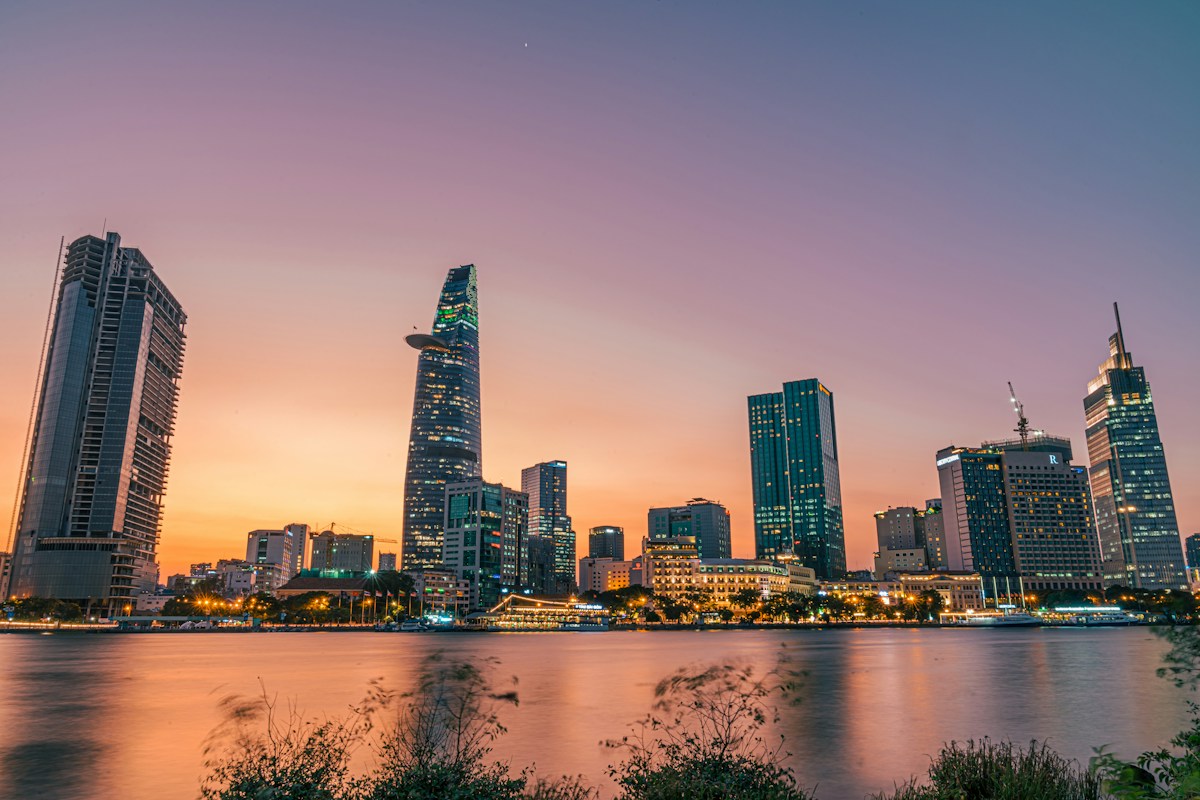
Ho Chi Minh City (HCMC, still widely called Saigon) is Vietnam's largest city and economic engine — a fast-moving, entrepreneurial metropolis of 9 million people that feels entirely different from Hanoi's more measured pace. The French colonial architecture of District 1, the War Remnants Museum, the Cu Chi Tunnels, and one of Southeast Asia's most vibrant food and nightlife scenes make HCMC one of the region's most compelling city destinations.
The luxury hotel scene in HCMC is exceptional. Park Hyatt Saigon, Caravelle Saigon, Sofitel Saigon Plaza, and the Reverie Saigon offer world-class quality in a city that has embraced international luxury standards. The Reverie in particular — with its over-the-top Italian baroque interiors — is one of Southeast Asia's most distinctive luxury hotels.
Top Luxury Hotels in Ho Chi Minh City
| Hotel | Location | From/Night | Key Features |
|---|---|---|---|
| The Reverie Saigon | District 1 | $400+ | Baroque interiors, rooftop pool, finest in HCMC |
| Park Hyatt Saigon | District 1 | $350+ | Opera Square, colonial elegance, pool, spa |
| Caravelle Saigon | District 1 | $250+ | Historic hotel, rooftop bar, Opera Square location |
| Sofitel Saigon Plaza | District 1 | $200+ | French colonial, pool, spa, central location |
| InterContinental Saigon | District 1 | $220+ | Modern luxury, rooftop pool, city views |
The Reverie Saigon: HCMC's Most Distinctive Hotel
The Reverie Saigon is one of Southeast Asia's most visually extraordinary hotels — a 286-room tower in District 1 with interiors designed by five Italian luxury brands (Baccarat, Boffi, Giorgetti, Provasi, and Visionnaire). The result is theatrical and opulent: crystal chandeliers, hand-painted ceilings, and furniture that belongs in a palazzo.
Key features:
- Italian baroque interiors: Each floor has a different Italian designer's aesthetic — the effect is deliberately maximalist and memorable.
- Rooftop pool: The Times Square rooftop bar and pool has panoramic views over HCMC's skyline.
- The Reverie Spa: One of HCMC's finest spas — traditional Vietnamese treatments in a luxurious setting.
- Dining: The Café Cardinal serves French-Vietnamese cuisine; The Royal Pavilion offers Cantonese dim sum.
Park Hyatt Saigon: Classic Elegance
The Park Hyatt Saigon faces the Saigon Opera House on Lam Son Square — one of HCMC's finest colonial buildings. The hotel's French colonial design, garden pool, and Opera Square location make it the city's most classically elegant property.
HCMC's Key Attractions
War Remnants Museum
The most visited museum in Vietnam — a powerful and sometimes confronting documentation of the American War (Vietnam War) from the Vietnamese perspective. Essential for understanding modern Vietnam. Allow 2–3 hours.
Cu Chi Tunnels
An extensive network of underground tunnels used by Viet Cong fighters during the war — 75km northwest of HCMC. The tunnels have been widened for tourists but remain claustrophobic. A half-day tour from HCMC is the standard visit.
Ben Thanh Market
HCMC's most famous market — a covered market selling food, clothing, souvenirs, and handicrafts. The surrounding streets have excellent street food stalls in the evening.
Mekong Delta Day Trip
The Mekong Delta — Vietnam's rice bowl — is 2 hours south of HCMC. Day trips visit floating markets, river villages, and coconut candy factories. My Tho and Ben Tre are the most accessible entry points.
Bui Vien Walking Street
HCMC's backpacker street — closed to traffic on weekends, lined with bars, restaurants, and street food. The energy is intense and the prices are low. A very different experience from the luxury hotel zone.
Getting to Ho Chi Minh City
- By air: Tan Son Nhat International Airport (SGN), 8km from the city centre. Direct flights from Singapore, Bangkok, Kuala Lumpur, Seoul, Tokyo, Hong Kong, and major Vietnamese cities. One of Southeast Asia's busiest airports.
- By train: HCMC is the southern terminus of the Reunification Express — overnight trains to Nha Trang (8 hours), Da Nang (16 hours), and Hanoi (30 hours).
Best Time to Visit
- November–April: Dry season, best weather, low humidity. Peak season December–March.
- May–October: Wet season — afternoon thunderstorms, high humidity. Still very visitable — rain is usually brief.
- Optimal: December–March — dry, comfortable, festive (Tet in January/February).
Frequently Asked Questions
Is HCMC or Hanoi better for first-time visitors?
Both are worth visiting. HCMC is more dynamic, more modern, and better positioned for southern Vietnam (Mekong Delta, Phu Quoc, Con Dao). Hanoi is more historic, more atmospheric, and better positioned for northern Vietnam (Ha Long Bay, Sapa, Ninh Binh). For a first visit with limited time, HCMC is slightly more accessible (better international flight connections, easier to navigate).
Is HCMC safe?
Generally yes — HCMC is safe for tourists. The main hazards are motorbike traffic (crossing the street requires confidence) and bag snatching from motorbikes (keep bags on the inside, away from the road). The tourist areas of District 1 are well-policed.
What is the best area to stay in HCMC?
District 1 (Dong Khoi area) for luxury travelers — all the top hotels, the Opera House, and easy access to the main attractions. The Bui Vien area for budget travelers. District 3 for a more local, less touristy experience.
Compare live rates and availability for luxury hotels in Ho Chi Minh City and across Vietnam — filter by District 1 location, rooftop pool, and Opera House proximity.
Filed under: