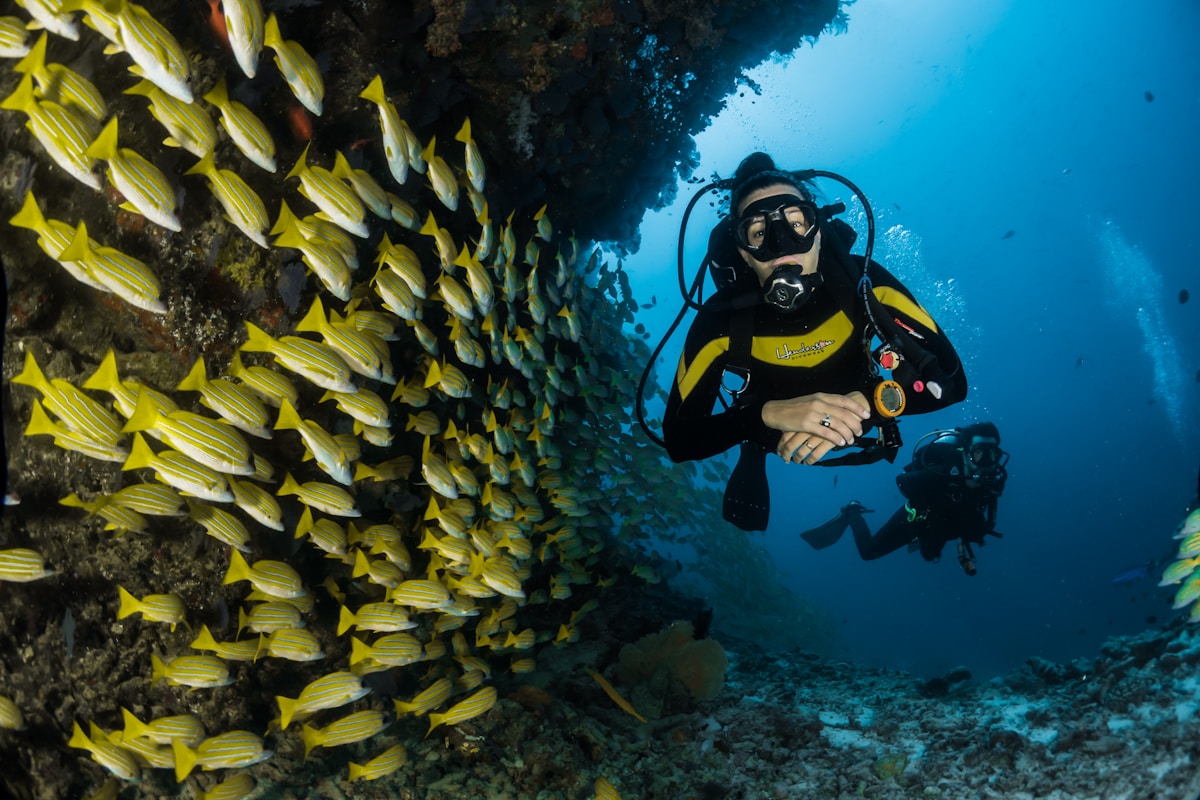
Southeast Asia offers some of the world's most accessible coral reefs — warm, shallow, and teeming with life. Here's everything first-timers need to snorkel confidently from day one.
Southeast Asia holds some of the world's most spectacular — and accessible — snorkelling. Warm 28–30°C water year-round, shallow reefs starting just metres from the surface, and guides available on every beach for $10–30 per tour make this the ideal region for first-time snorkellers. The Philippines, Thailand, and Indonesia together form the Coral Triangle, home to 75% of all known coral species.
Why SEA Is Perfect for First-Timers
- Water temperature: 27–30°C year-round — no wetsuit, no cold-water shock
- Shallow reefs: Most top sites are 2–6 metres deep — perfect for surface snorkelling without diving skills
- Guided tours everywhere: Half-day island-hopping tours with equipment are standard at every beach resort
- Wildlife density: Sea turtles, reef sharks, clownfish in anemones, giant clams, and dense schools of snapper are routine sightings — not rare encounters
- Visibility: 10–25 metres on clear days at quality sites
What Equipment Do You Need?
Joining a Tour (Recommended for Beginners)
Organised snorkelling tours provide mask, snorkel, and fins — usually included in the tour price of $15–35. The single most important thing: ensure the mask fits your face.
Before entering the water, test the mask seal: press it against your face without the strap and inhale slightly through your nose. If it holds position, it fits. If it falls away immediately, ask for a replacement size — a leaking mask is the number-one source of beginner frustration.
One piece of equipment worth buying before you go: A snorkel vest (inflatable swimming aid). These cost $15–30, fold to pocket size, and give beginners the confidence to float effortlessly without treading water. Available at dive shops throughout Phuket, El Nido, Gili Air, and most resort towns.
Your Own Gear
A quality mask and snorkel costs $40–80 (Cressi, Mares, and Tusa are reliable brands widely available in Europe and North America). Owning your mask guarantees a personal fit — the single biggest upgrade from shared rental equipment. Fins are optional for surface snorkelling but useful for keeping pace with tour groups and covering distance efficiently.
The Best Beginner Snorkelling Destinations
El Nido & Bohol, Philippines
The Philippines sits at the heart of the Coral Triangle. El Nido's Big Lagoon and Secret Beach offer sheltered, shallow water with 8–15 metre visibility on settled days — the towering limestone karst cliffs provide wind protection that keeps conditions calm. Bohol's Balicasag Island Marine Sanctuary is one of the Philippines' best-protected reefs: expect white-tip reef sharks resting on the sandy bottom, sea turtles grazing on seagrass, and walls of snapper.
Best months: November–May (dry season, calmest seas)
Tour cost: $15–35 for half-day island-hopping with 3–4 snorkelling stops
Krabi & Koh Lanta, Thailand
Thailand's Four Islands tour from Krabi's Ao Nang Beach visits four distinct snorkelling sites including the celebrated Emerald Cave (accessed by swimming through a dark tunnel into a hidden lagoon). Koh Lanta's south-tip marine park allows reef snorkelling directly from the beach — no boat required — over staghorn and brain coral gardens.
Best months: November–April (northeast monsoon brings calm Andaman conditions)
Wildlife highlights: Clownfish in anemones, juvenile blacktip reef sharks, hawksbill turtles
Gili Islands, Lombok, Indonesia
The three Gili Islands (Air, Meno, Trawangan) are surrounded by turtle nesting grounds — green and hawksbill turtle encounters are near-guaranteed during morning snorkelling sessions. Gili Meno has the most pristine reef of the three islands, with excellent coral health and visibility. Importantly, there are no motorised vehicles on any Gili island, meaning no boat noise or wake disturbing the water.
Best months: April–October (dry season, calmest Lombok Strait)
Famous for: Sea turtles viewable from shore; glass-bottom kayak tours also available
Beginner Technique in Five Minutes
Breathing: The foundational skill — breathe slowly and deeply through your mouth via the snorkel tube. The most common beginner error is holding breath from anxiety. Relax, let your natural buoyancy support you, and trust the process.
Clearing water: If seawater enters the snorkel (wave splash or a brief duck-dive), exhale sharply and forcefully to purge it. Modern snorkels include a splash guard that makes this rare in calm conditions.
Equalising pressure (for duck-diving): If you want to explore a coral head 2–3 metres down, pinch your nose through the mask and blow gently as you descend. This is not required for pure surface snorkelling.
Kicking efficiently: Use slow, even flutter kicks from the hip — not the knee. Rapid knee-bending kicks churn the water, stir up sediment, and disturb marine life.
The most important rule: never touch the reef. Coral polyps are living animals. A single touch can break years of growth and introduce bacteria that kills an entire colony. Maintain horizontal body position and keep fins well clear of reef surfaces.
Safety Checklist for Western Visitors
Sun protection: You will lie face-down for 1–2 hours in equatorial sun — your back, shoulders, and the back of your legs will burn severely without waterproof reef-safe sunscreen (SPF 50+). Apply 30 minutes before entering the water and reapply after each session.
Currents: Always ask your guide about current conditions before entering. Tidal currents in channels between islands can be surprisingly strong — even experienced swimmers have been caught out. If swept by a current, swim parallel to shore to exit, not directly against it.
Sea urchins: Avoid standing or kneeling in shallow rocky areas. Black spiny urchins are camouflaged against rock. Wear fins as a precaution in any rocky shallows.
Hydration: The combination of sun exposure and saltwater exertion is intensely dehydrating. Drink 500ml of water before your session and replace fluids immediately afterward — don't wait until you feel thirsty.
Season Reference by Destination
| Destination | Best Snorkelling Window |
|---|---|
| Thailand (Andaman — Phuket, Krabi) | November–April |
| Thailand (Gulf — Koh Samui, Koh Tao) | January–August |
| Philippines (El Nido, Bohol) | November–May |
| Lombok & Gili Islands | April–October |
| Vietnam (Phu Quoc) | November–April |
*Ready to book? Explore:* El Nido island resorts | Krabi luxury hotels | Lombok & Gili Islands
Filed under: