Bali vs Lombok 2026: Which Indonesian Island is Better for Luxury Travel?
Bali is world-famous; Lombok is its quieter, wilder neighbour. But which delivers the better luxury travel experience in 2026? We compare on beaches, hotels, culture, and value.
Bali and Lombok sit side by side across the Lombok Strait — 35km of water that separates the world’s most famous island from one of Southeast Asia’s most underrated. They share a climate, similar landscapes, and the same turquoise Indo-Pacific water. But they are fundamentally different destinations, and for luxury travellers, the choice between them matters.
The Essential Difference
Bali is the most developed luxury island in Southeast Asia — a destination that has been attracting international travellers since the 1930s, with a hotel infrastructure, villa market, and culinary scene built over nearly a century of tourist investment. Lombok is newer to luxury tourism — significantly less developed, considerably quieter, and home to the Gili Islands (which draw their own distinct visitor profile).
For luxury travellers, the question is not which is objectively better — it’s which delivers the experience that matches what you actually want.
Beaches: Where Lombok Wins Outright
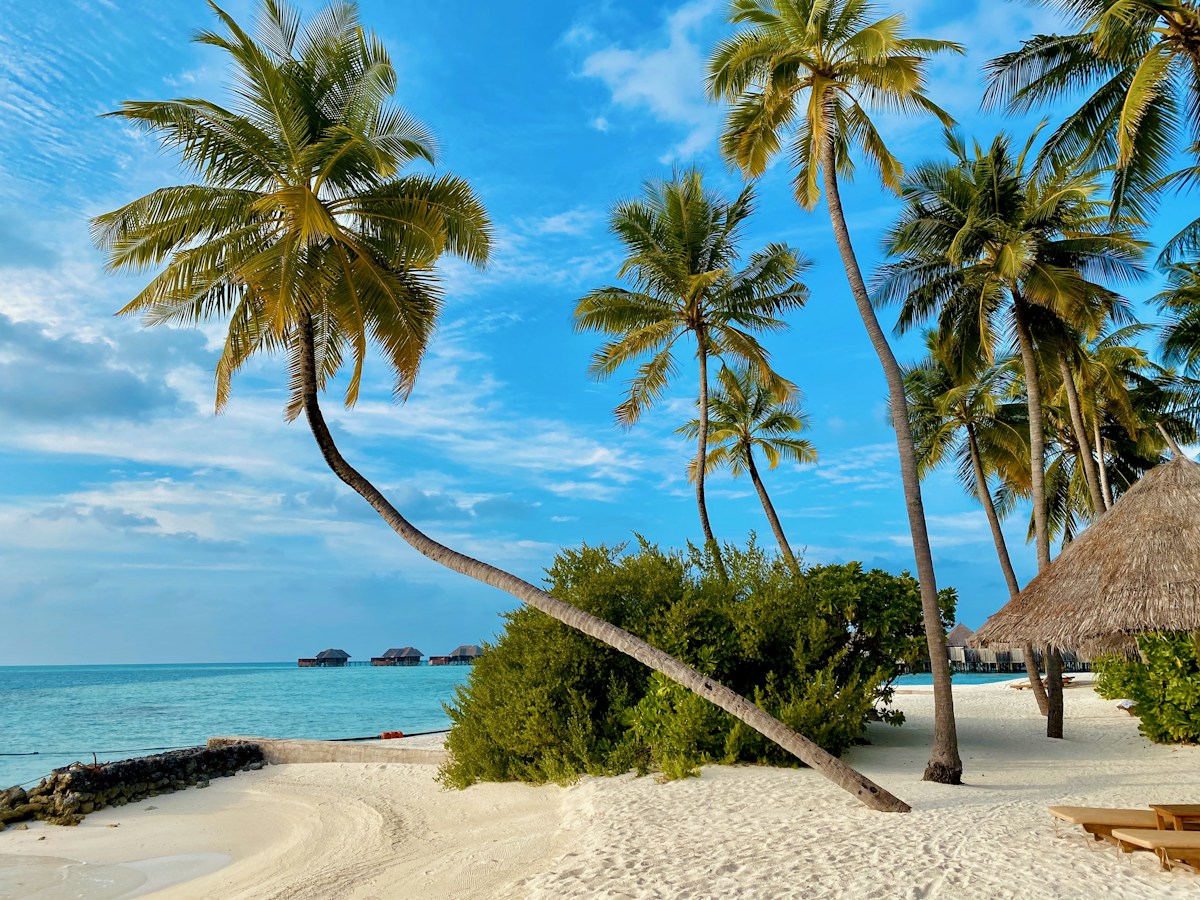
Lombok’s beaches are, objectively, less crowded and in many cases more visually dramatic than Bali’s. The south coast — Kuta Lombok (unrelated to Bali’s Kuta), Mawun, Selong Belanak, Tanjung Aan — is a sequence of sweeping bays with white or pink sand, accessible by a well-maintained road since 2020, and almost entirely undeveloped by Bali standards.
Tanjung Aan: A double bay with two sand textures — fine white sand on one side, coarser pink-tinged sand on the other — separated by a headland. Remarkably photogenic; modest infrastructure; swimming excellent in dry season.
Selong Belanak: A 2km crescent bay of calm, aquamarine water — Lombok’s most reliably calm swimming beach. A handful of warung and a surf school; no resort development on the beach itself.
Pink Beach (Tangsi Beach): One of only a handful of naturally occurring pink sand beaches in the world — the colour comes from microscopic red coral fragments mixed with white sand. 2 hours from Mataram by road; accessible by boat from Kuta Lombok more quickly.
Bali’s beaches: Seminyak, Balangan, Nyang Nyang, and Pandawa are excellent — but they compete with Lombok’s on volume rather than quality. The Uluwatu cliff beaches (Padang Padang, Bingin) are spectacular but require steep stair descents and can be crowded.
Verdict: Lombok wins on beach unspoiledness and visual drama at comparable quality sites.
Culture: Where Bali Wins Decisively
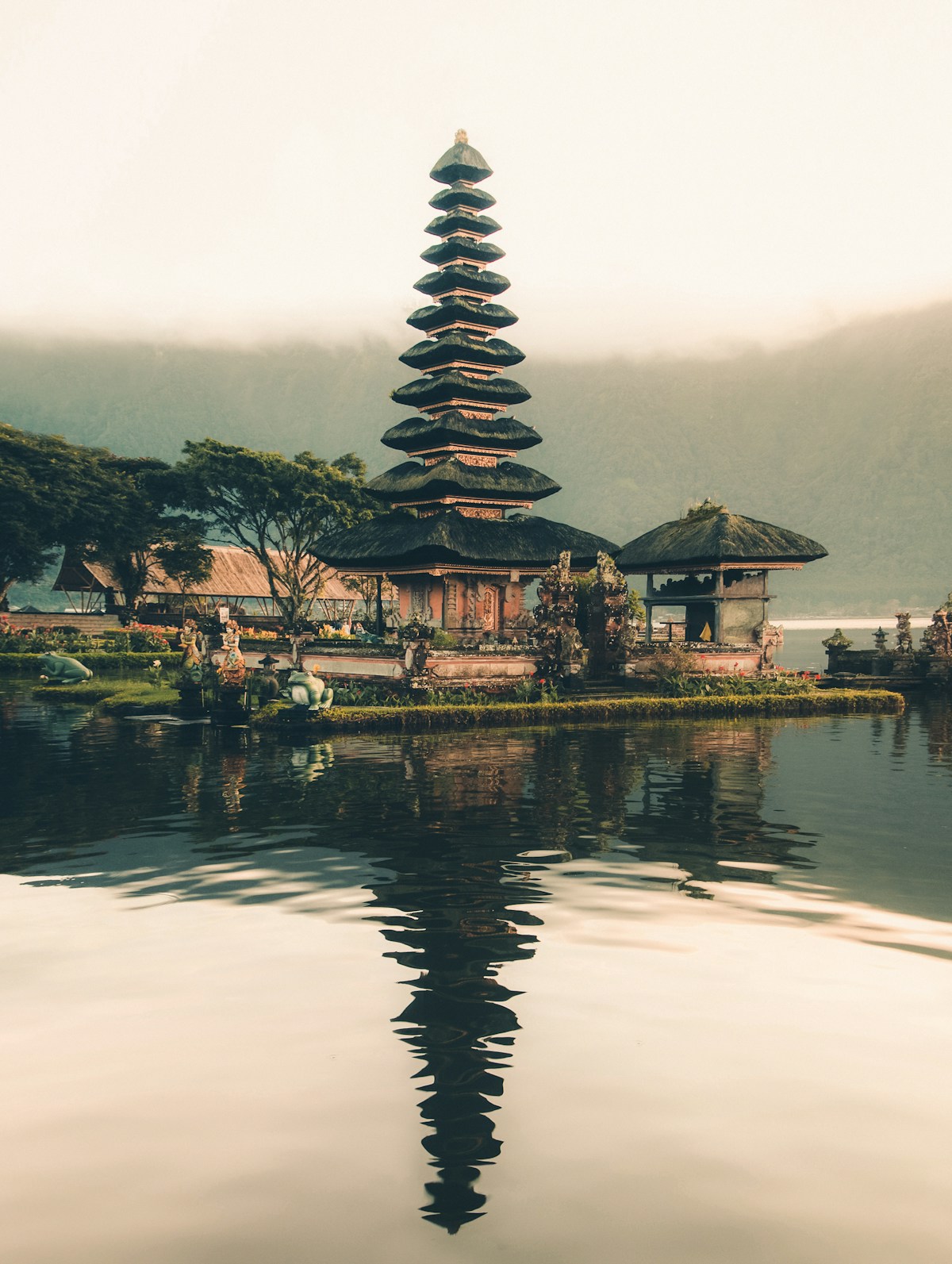
Bali’s Hindu culture is the island’s most singular feature — a living religious tradition that expresses itself in daily offerings (canang sari), monthly temple ceremonies, elaborate cremation processions (ngaben), sacred dances (kecak, barong, legong), and a visual art tradition (painting, woodcarving, silversmithing) of extraordinary sophistication. None of this is performed for tourists; it is the fabric of daily Balinese life that tourists are invited to observe.
Lombok is predominantly Muslim (95% Sasak people, indigenous to the island) — a rich culture with its own weaving traditions (songket silk), bamboo music (gendang beleq), and distinctive architecture. But the temple circuit, the ceremonial calendar, and the artistic depth that makes Bali a cultural destination are absent.
Ubud: There is no Lombok equivalent of Ubud — the highland arts town with its rice terraces, traditional healer villages, museum collections, and international wellness infrastructure. For travellers who want a honeymoon or luxury trip that includes genuine cultural discovery, Bali’s Ubud makes the choice straightforward.
Verdict: Bali wins decisively on cultural depth.
Luxury Hotels: Bali's Depth vs Lombok's Emergence
Bali’s luxury hotel market (500+ five-star and boutique luxury properties) is the most developed in Southeast Asia. The range — from Alila Villas Uluwatu’s LEED-certified clifftop architecture to Four Seasons Sayan’s rice terrace valley, from Amankila’s three-tiered terraced pool to Capella Ubud’s tented villas — is extraordinary. At every price point from USD 250 to USD 3,000+/night, Bali has multiple genuinely excellent options.
Lombok’s luxury hotels are concentrated around:
- Senggigi and the north coast: Older established properties; the Qunci Villas and Sheraton Senggigi are the most reputable.
- The south coast (Kuta Lombok and surrounds): Emerging boutique properties including Mandalika and the Novotel Lombok Resort area.
- The Gili Islands: See the Gili Islands guide for dedicated properties (Gili Lankanfushi, Karma Reef).
The south coast development has accelerated since the Mandalika MotoGP Circuit opened (2022) — international hotel brands are in various stages of construction/opening around the Mandalika Special Economic Zone.
Verdict: Bali wins on hotel quality, depth, and range at every budget tier. Lombok is improving rapidly but remains 10–15 years behind Bali’s development curve.
Diving and Water Sports
Bali: The best diving is in the north (Tulamben’s USAT Liberty wreck, Amed wall dives, Menjangan Island in West Bali National Park). The south coast and Seminyak area offer surfing (Uluwatu, Padang Padang) rather than diving. Nusa Penida (day trip) provides manta rays and seasonal Mola mola.
Lombok: The Gili Islands (30 minutes by fast boat) provide year-round sea turtles, reef sharks, and excellent snorkelling at shallow depth. The southeast coast (Pink Beach area) has coral gardens with good visibility. The west coast surf (Desert Point, Bangko Bangko) is world-class but remote.
Verdict: Draw — depends on activity. For surfing (world-class waves): Lombok’s Desert Point wins. For turtle snorkelling: Gili Islands (Lombok side). For wreck diving: Bali (Tulamben). For manta rays: Bali (Nusa Penida).
Value and Practicality
Bali is more expensive than Lombok overall — the villa market, restaurant scene, and hotel pricing reflect Bali’s established luxury positioning. A quality villa in Seminyak costs 20–40% more than a comparable property in Lombok’s Kuta area.
Lombok has fewer villa options, fewer restaurants, and less transport infrastructure. The advantage of lower prices is partially offset by fewer options. Getting around Lombok (south coast, north coast, Gili Islands) requires more planning than Bali’s established taxi and private driver market.
Flight access: Lombok International Airport (LOP) has direct connections from Bali (30 minutes, multiple daily), Jakarta (2 hours), and Kuala Lumpur (2.5 hours). Less well-connected than Bali’s Ngurah Rai International (which has direct European, Australian, and major Asian routes).
Decision Summary
Choose Bali if:
- Cultural depth matters — temples, ceremonies, arts, Ubud
- Luxury hotel variety and quality is the priority
- Villa rental with private pool, staff, and cook is the goal
- Ubud wellness retreat is on the itinerary
- Food scene (restaurant variety, quality) is important
- This is a first visit to Indonesia
Choose Lombok if:
- Pristine, uncrowded beaches are the priority
- The Gili Islands are a specific goal (combine easily with south Lombok)
- You’ve already done Bali and want something quieter
- Surfing at world-class breaks (Desert Point) is the focus
- Value is more important than variety
- You want a destination that feels genuinely undiscovered
The ideal answer: Bali + Lombok is a natural 10–14 night combination — 6–7 nights Bali (Seminyak and Ubud), 3–4 nights Gili Islands/south Lombok. Direct flights Bali–Lombok take 30 minutes; fast boat connections to the Gili Islands operate from Padang Bai (east Bali) or Sanur.
For Indonesia immigration: Directorate General of Immigration Indonesia
For Lombok tourism information: West Nusa Tenggara Tourism
Explore our guides to Bali honeymoon resorts, Gili Islands & Lombok honeymoon, and Bali luxury villas for more Indonesia inspiration.
Filed under: